
XL Meeting Rooms & Training Spaces (16+ People)
Healthy XL Meeting Rooms & Training Spaces
Designed for presentations, training sessions and large hybrid meetings where every participant can see, hear and contribute equally, regardless of how the room is being used.
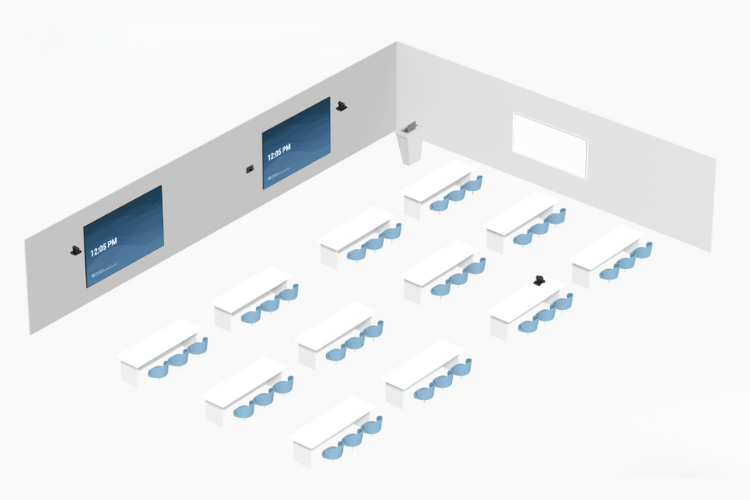
Typical Room Size: 8m+ long
Typical Occupancy: 16+ people
Common Uses: Training sessions, presentations, workshops, all-hands meetings, customer events and large hybrid collaboration.
Every XL Meeting Room Has A Story
XL meeting rooms and training spaces are often expected to do everything.
One day they host a training session. The next, a customer presentation. Later, a hybrid workshop or company update.
Because these rooms support multiple activities, their success isn't determined by the technology alone. The room must adapt to changing layouts, varying occupancy levels and different styles of communication.
A healthy XL meeting room provides flexibility without compromising the experience. Every participant can see, hear and contribute effectively, regardless of how the space is configured.
Most meeting room problems aren't obvious until they affect the meeting experience.
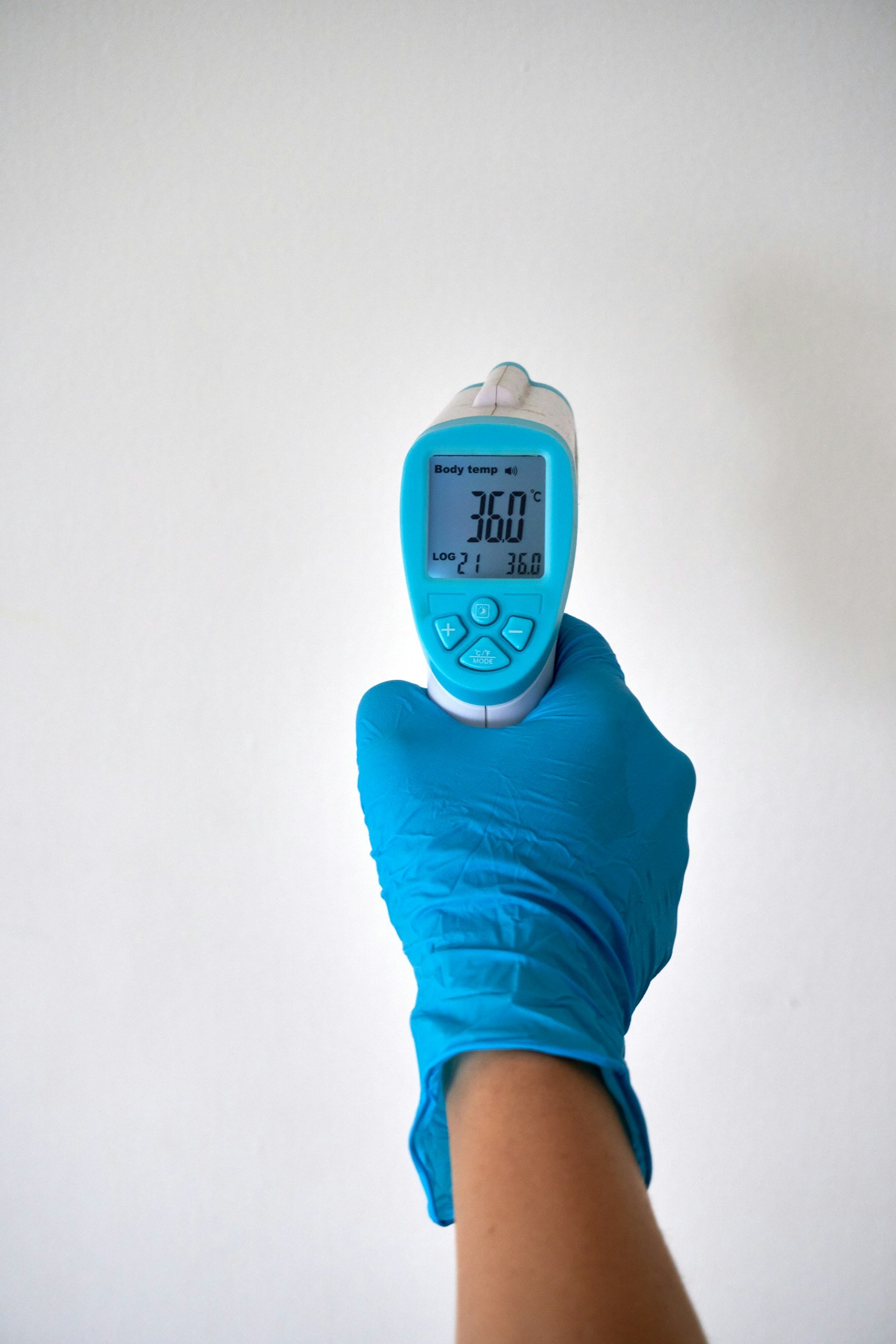
Our Meeting Room Health Assessment measures acoustics, visibility, representation and participant equity to reveal what's really happening in your room.
Common Symptoms
✓ Participants struggle to hear questions from across the room
✓ Shared content is difficult to read from some seats
✓ Remote participants feel disconnected from the session
✓ The room works well for one activity but poorly for another
✓ Furniture layouts regularly change to make meetings work
✓ Presenters rely on technical assistance to run sessions

Equity Challenges
XL meeting rooms often suffer from what we call configuration bias.
The meeting experience changes depending on how the room is arranged. Technology that works well for presentations may perform poorly during workshops or collaborative sessions.
This affects:
In-room participants who experience inconsistent audio, visibility and interaction depending on where they sit.
Remote participants who struggle to follow discussions, identify speakers and remain engaged.
AI tools that depend on consistent audio and video representation to accurately capture conversations and generate useful follow-up actions.
Meeting equity means ensuring every participant can contribute confidently, regardless of room layout, meeting type or location.

Signs Of A Healthy Room
✓ Shared content is visible from every seat
✓ Conversations are captured accurately throughout the space
✓ Remote participants can follow discussions naturally
✓ Technology adapts to different room layouts and meeting types
✓ AI tools receive clean audio and video feeds
✓ The room delivers a consistent experience regardless of how it is configured
Typical Anatomy Of A Healthy XL Meeting Room
-
![]()
Room Size
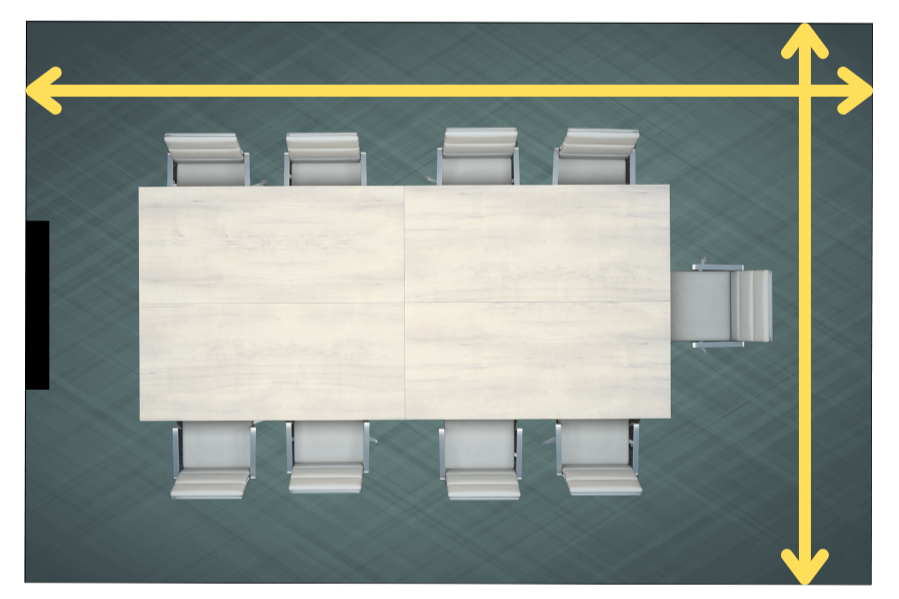
Typically 8m+ long with layouts that can change depending on room use.
-
![]()
Occupancy
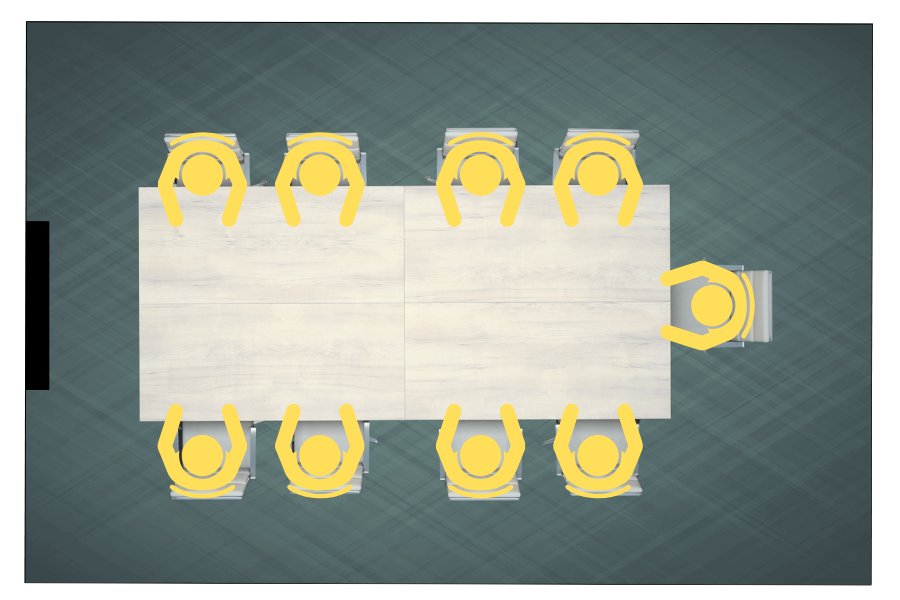
16+ participants.
-
![]()
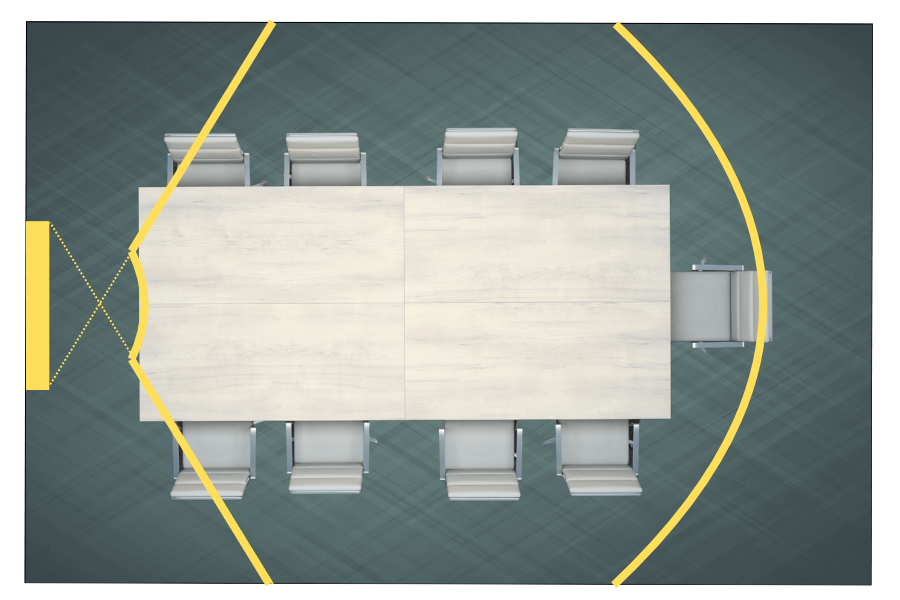
Display
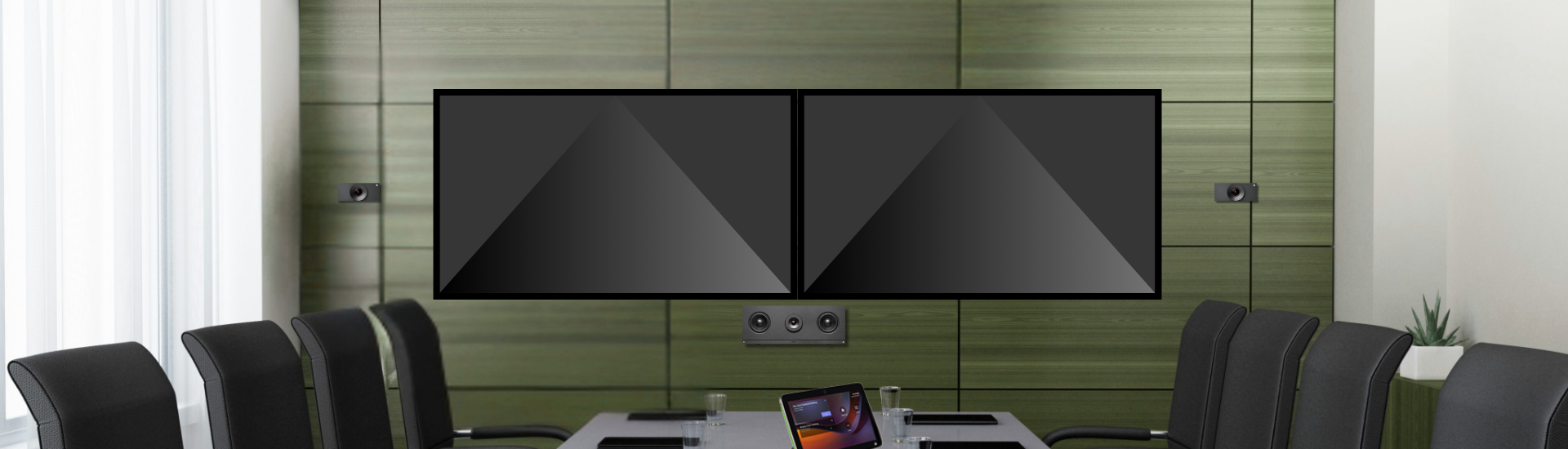
Typically dual 98" displays, projection systems or LED displays designed to remain visible throughout the space.
-
![]()
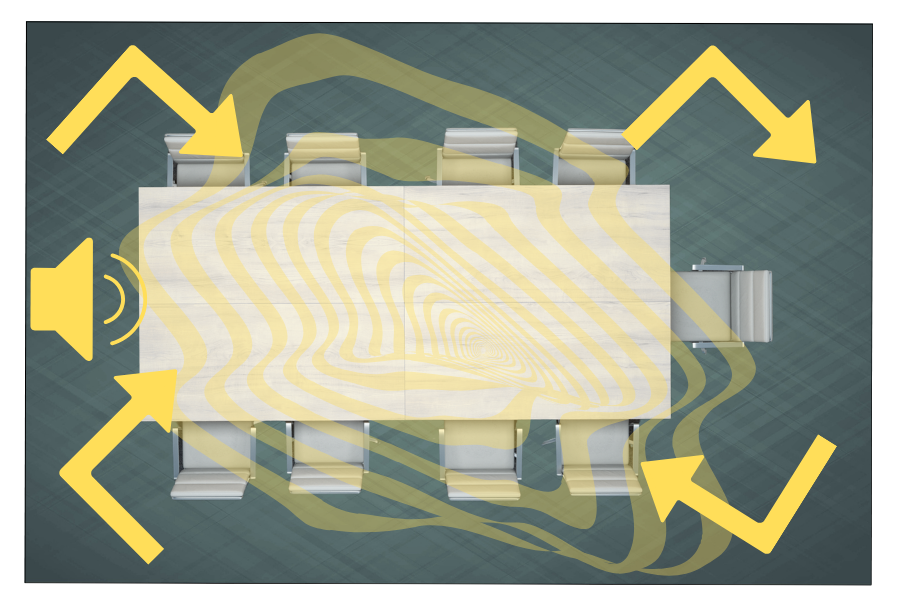
Acoustics
Target RT60 approximately 0.5-0.6 seconds.
Background noise ideally below 45 dB.
Additional acoustic treatment is often required because of the room volume and varying furniture arrangements.
-
![]()
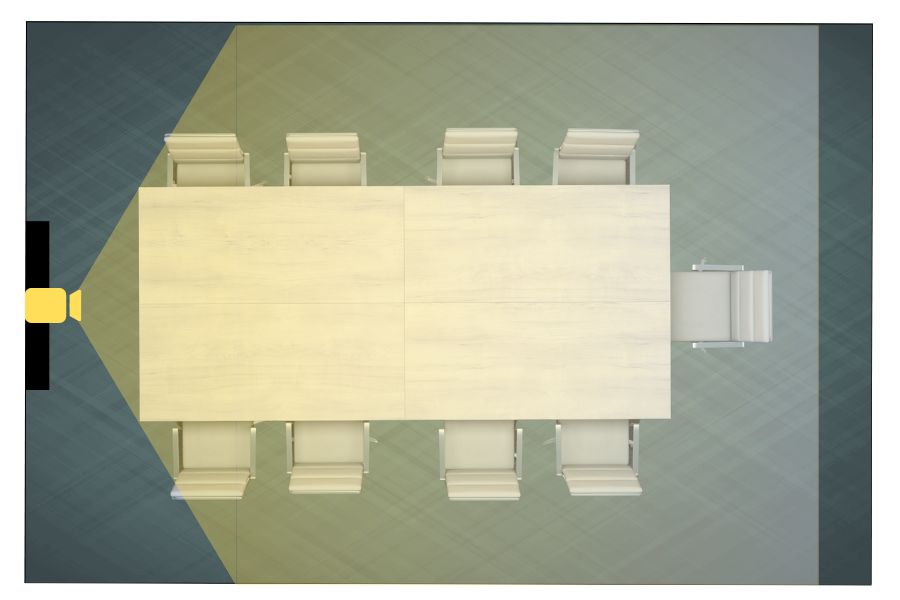
Camera
Multiple cameras capable of representing presenters, audience participation and collaborative activities.
-
![]()
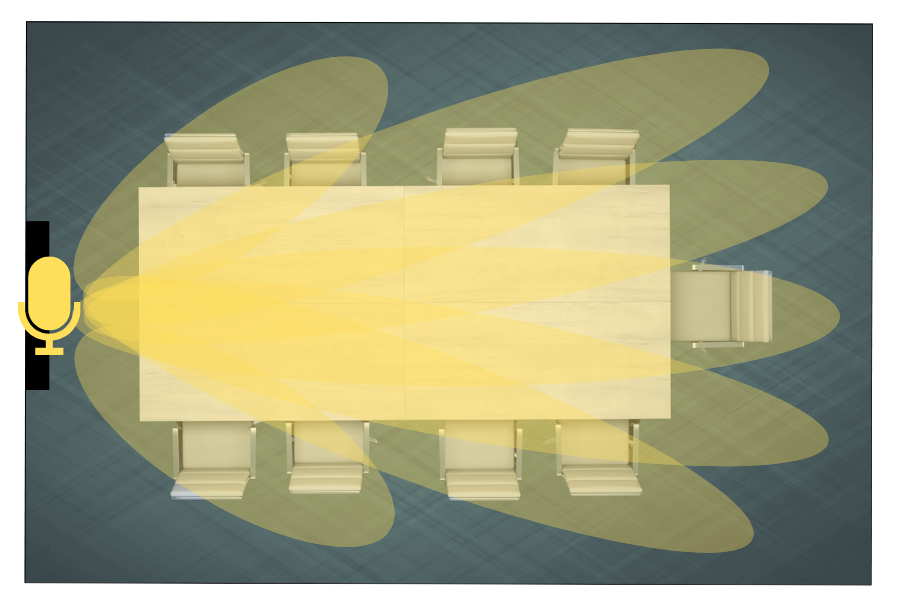
Audio
Distributed microphone and loudspeaker systems designed to provide consistent coverage throughout the room.
-
![]()
Lighting
Approximately 500 lux across presentation and participant areas with flexibility to support different room functions.
-
![]()
Connectivity
Accessible content sharing, presenter connectivity and charging facilities that remain practical in multiple room layouts.
-
![]()
Conferencing
Typically Microsoft Teams Rooms, Zoom Rooms, Google Meet Rooms or advanced BYOD environments.
-
![]()
Smart Building
Room booking, occupancy monitoring and environmental controls help manage larger spaces and changing usage requirements.
-
![]()
Artificial Intelligence
AI productivity tools can transcribe presentations, identify questions and generate follow-up actions when audio and video representation remain consistent throughout the room.
-
![]()
Maintenance & Support
Meeting rooms don’t fail on day one, they fail gradually over time. A support contract enables pro-active maintenance, timely problem solving and ownership.

Typical Failures We Diagnose
Single-Purpose Design
The room performs well for one activity but struggles to support others.
Undersized Displays
Presentations and shared content are difficult to see from the back of the room.
Poor Audio Coverage
Questions and discussions are missed from certain areas of the space.
Poor Camera Representation
Remote participants struggle to see presenters, audience reactions and room interactions.
Inflexible Technology Layouts
Cameras, microphones and displays cannot adapt to different room configurations.
Excessive Reverberation
Speech becomes less intelligible as occupancy increases and room layouts change.
Could Your XL Meeting Room Be Healthier?
✓ Shared content is visible from every seat
✓ Everyone can be heard throughout the space
✓ Remote participants can follow discussions naturally
✓ Technology supports multiple room layouts and activities
✓ AI meeting summaries capture conversations accurately
✓ The room delivers a consistent experience regardless of configuration
Score yourself out of six.
4-6 Healthy 2-3 Needs Attention 0-1 Book Surgery
Not sure if your room is healthy?
Book MRD Surgery and we’ll assess the room properly — including display size, camera position, microphone coverage, acoustics and meeting equity.