
Focus Rooms & Phone Booths (1-2 People)
Healthy Focus Rooms & Phone Booths
Designed for private calls, video meetings and focused work where every participant can see, hear and communicate clearly without distractions.
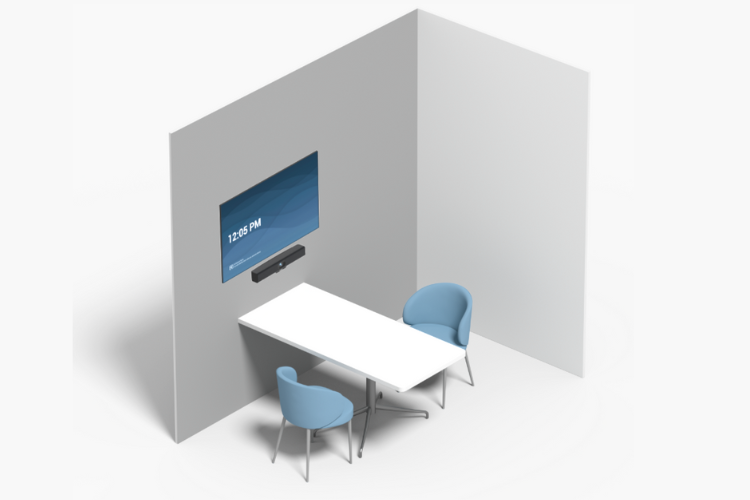
Typical Room Size: 1m – 2.5m long
Typical Occupancy: 1-2 people
Common Uses: Video calls, confidential conversations, focused work, interviews and one-to-one meetings.
Every Focus Room Has A Story
Focus rooms and phone booths have become essential workplace spaces. They provide somewhere to take calls, join meetings and concentrate away from busy office environments.
Because these rooms are small, they are often treated as simple spaces that require very little planning. In reality, their performance depends heavily on acoustics, ventilation, lighting and usability.
A healthy focus room allows people to communicate naturally, remain comfortable and stay fully engaged in their work and meetings.
Most meeting room problems aren't obvious until they affect the meeting experience.
Our Meeting Room Health Assessment measures acoustics, visibility, representation and participant equity to reveal what's really happening in your room.
Common Symptoms
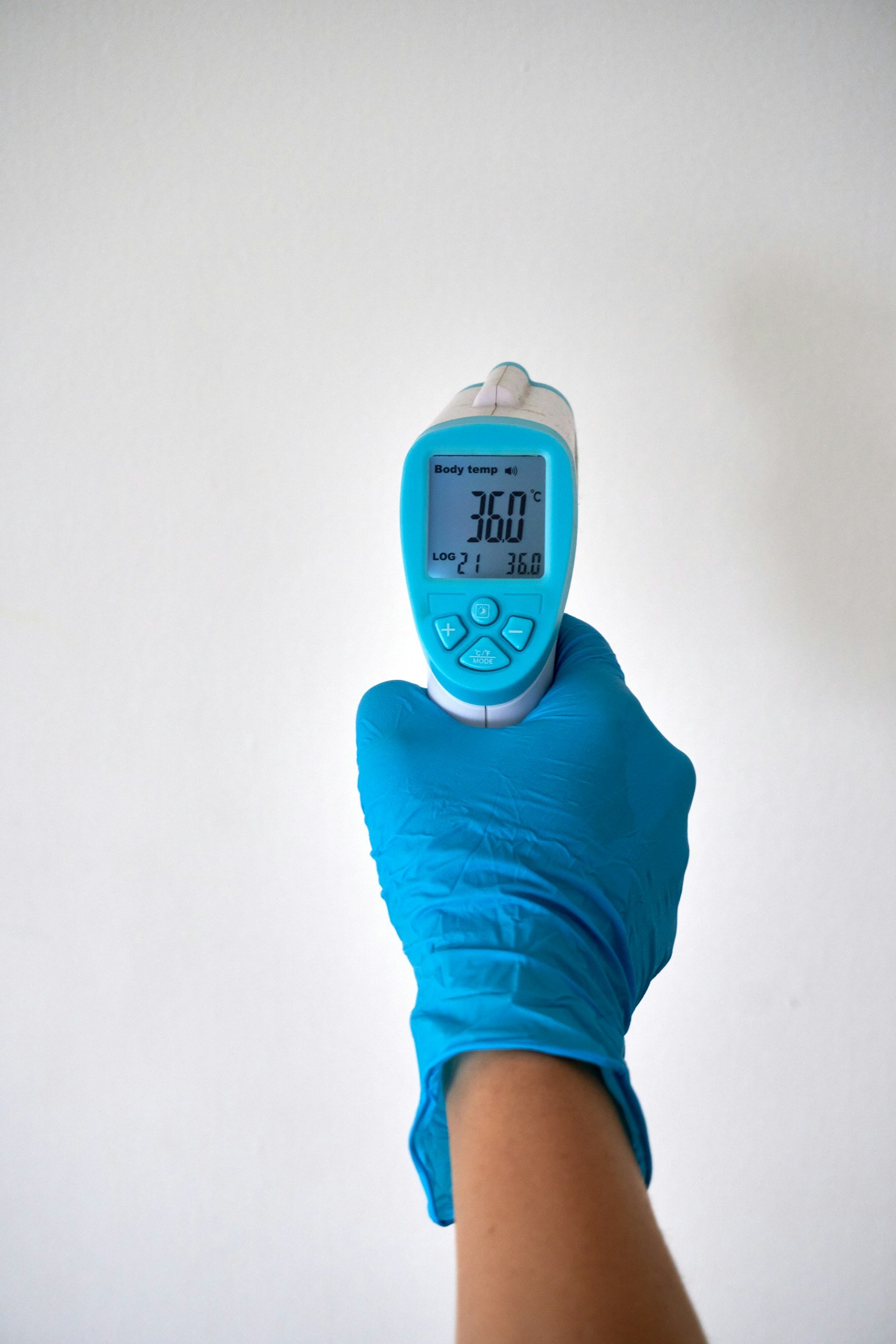
✓ Calls are disrupted by background noise
✓ Participants appear poorly lit on camera
✓ Rooms feel hot or uncomfortable after short periods
✓ Conversations sound echoey or unnatural
✓ People avoid using certain booths
✓ Video calls feel tiring or distracting

Equity Challenges
Focus rooms often suffer from what we call environment bias.
Although only one or two people use the room, environmental conditions have a significant impact on communication quality and meeting effectiveness.
This affects:
In-room participants who become distracted, uncomfortable or fatigued during calls and focused work.
Remote participants who experience poor audio quality, inadequate lighting and reduced non-verbal communication.
AI tools that depend on clean audio and clear video to accurately transcribe meetings and generate useful follow-up actions.
Meeting equity means ensuring participants are represented clearly and can communicate confidently without environmental distractions.

Signs Of A Healthy Room
✓ Conversations remain private and free from distractions
✓ Speech sounds clear and natural
✓ Participants are well lit on camera
✓ The room remains comfortable during extended use
✓ Video calls and meetings start quickly
✓ Users actively choose the room because it works reliably
Typical Anatomy Of A Healthy Focus Room
-
![]()
Room Size
Typically 1m-2.5m long and 1m-2m wide.
-
![]()
Occupancy
1-2 participants.
-
![]()
Display
Typically a laptop display or small secondary display where required.
-
![]()
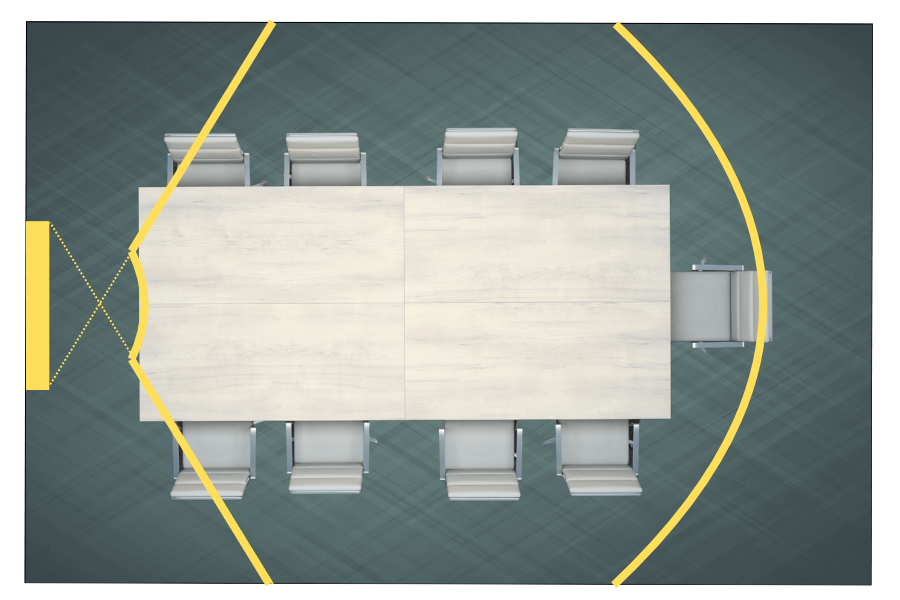
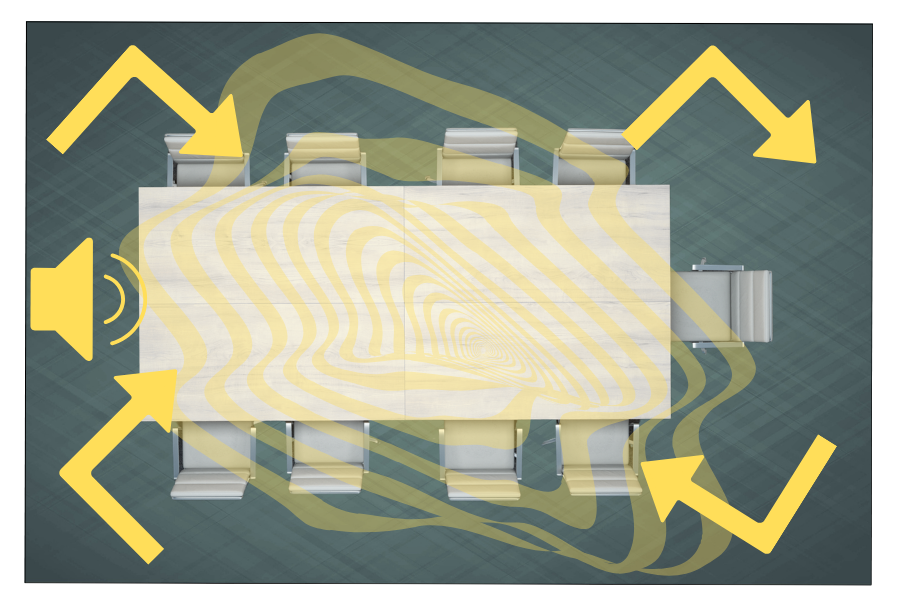
Acoustics
Target RT60 approximately 0.3-0.5 seconds.
Background noise ideally below 40 dB.
Good acoustic isolation from surrounding office areas is essential.
-
![]()
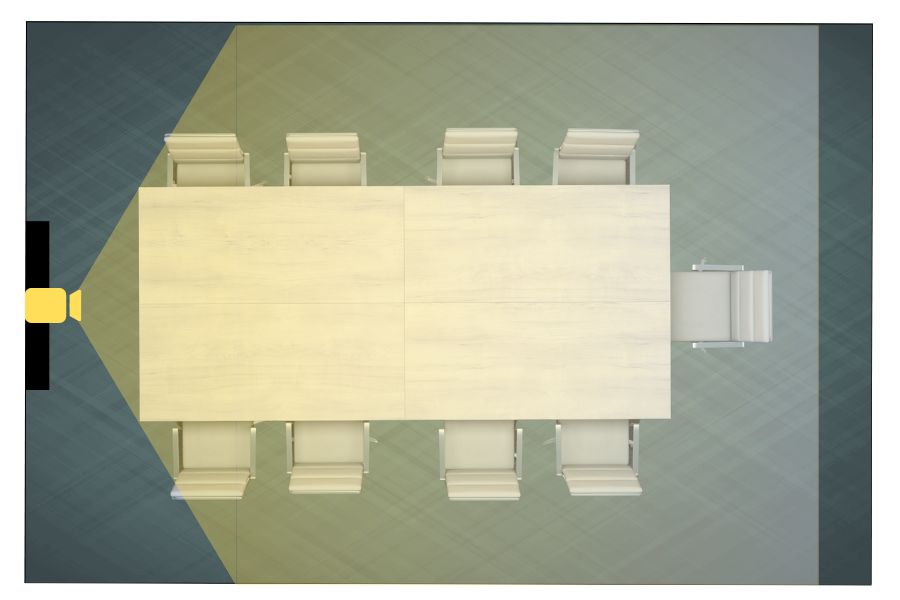
Camera
Laptop cameras or compact conferencing cameras positioned to provide natural eye-level representation.
-
![]()
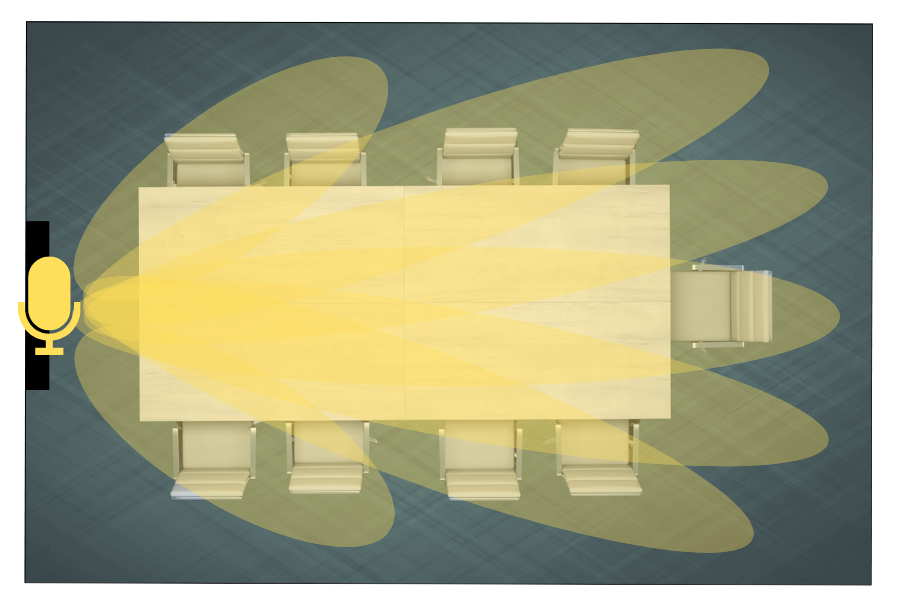
Audio
Headsets or integrated speakerphones capable of delivering clear speech without echo or feedback.
-
![]()
Lighting
Approximately 500 lux on the working surface with balanced front lighting for video calls.
-
![]()
Connectivity
Accessible power, USB-C charging and simple laptop connectivity.
-
![]()
Conferencing
Typically Microsoft Teams, Zoom, Google Meet or other video collaboration platforms.
-
![]()
Smart Building
Occupancy indicators and room booking systems help manage demand and improve utilisation.
-
![]()
Artificial Intelligence
AI productivity tools can accurately transcribe conversations and generate follow-up actions when audio quality and representation are optimised.
-
![]()
Maintenance & Support
Meeting rooms don’t fail on day one, they fail gradually over time. A support contract enables pro-active maintenance, timely problem solving and ownership.

Typical Failures We Diagnose
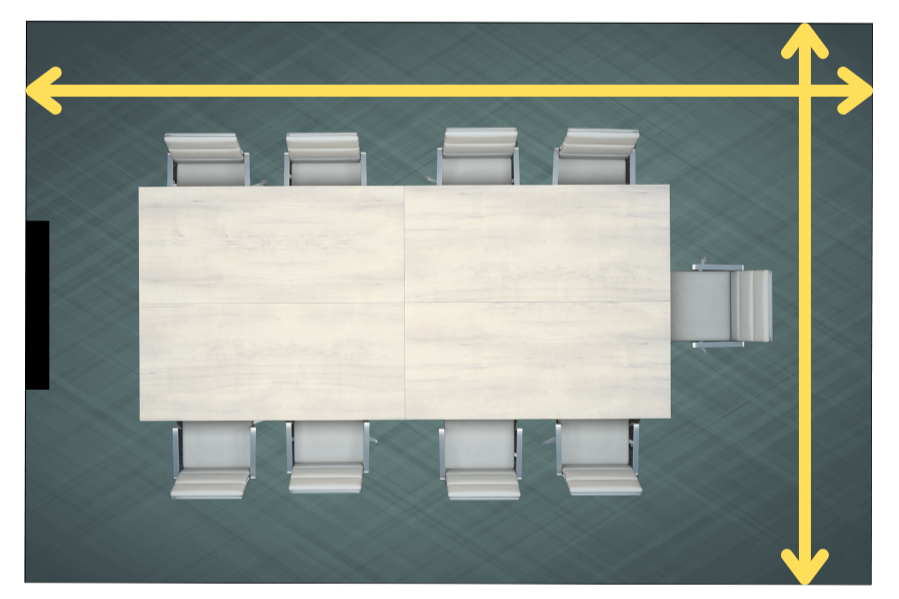
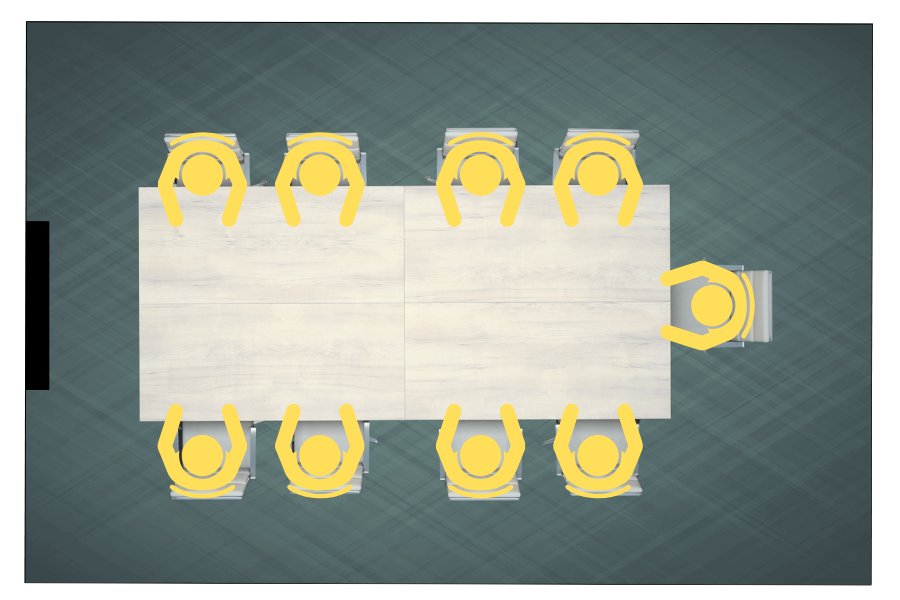
Poor Acoustic Isolation
Conversations are interrupted by noise entering from surrounding areas.
Excessive Reverberation
Speech sounds echoey and calls become tiring.
Poor Lighting
Participants appear dark or poorly represented on camera.
Inadequate Ventilation
Rooms quickly become warm and uncomfortable.
Poor Ergonomics
Limited desk space, awkward seating or inaccessible power affects usability.
Technology Overlooked
Rooms lack suitable power, charging or video conferencing facilities.
Could Your FOCUS Room Be Healthier?
✓ Conversations remain private and free from distractions
✓ Speech sounds clear and natural
✓ Participants are represented clearly on camera
✓ The room remains comfortable during extended use
✓ Video calls start reliably and consistently
✓ Users actively choose the room because it works well
Score yourself out of six.
4-6 Healthy 2-3 Needs Attention 0-1 Book Surgery
Not sure if your room is healthy?
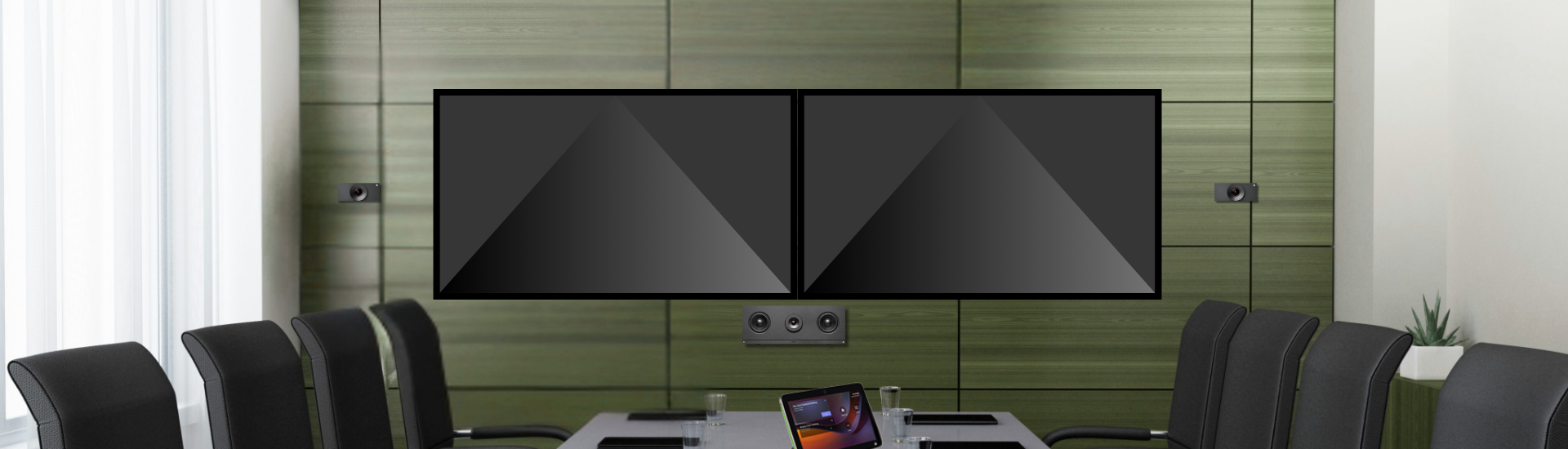
Book MRD Surgery and we’ll assess the room properly — including display size, camera position, microphone coverage, acoustics and meeting equity.