
Divisible Meeting Rooms
Healthy Divisible Meeting Rooms
Designed to deliver a consistent meeting experience whether operating as one large room or multiple smaller spaces.
Typical Room Size: Variable
Typical Occupancy: 8-40+ people
Common Uses: Training sessions, presentations, workshops, board meetings, events and hybrid collaboration.
Every Divisible Meeting Room Has A Story
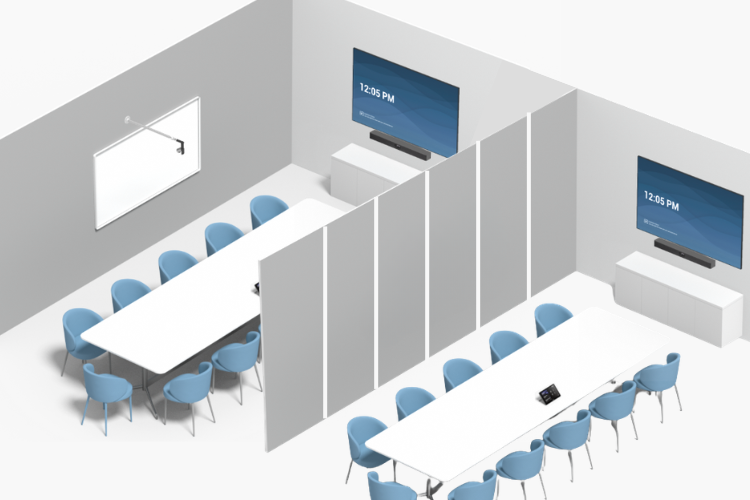
Divisible meeting rooms promise flexibility.
Open the partition wall and you have a large training or presentation space. Close it and you have two or more independent meeting rooms.
The challenge is that many divisible rooms are designed to work in one configuration but not the other. Audio, video, displays and room controls often become compromised when the room changes layout.
A healthy divisible room delivers a consistent experience regardless of how the space is configured, allowing users to focus on the meeting rather than the technology.
Most meeting room problems aren't obvious until they affect the meeting experience.
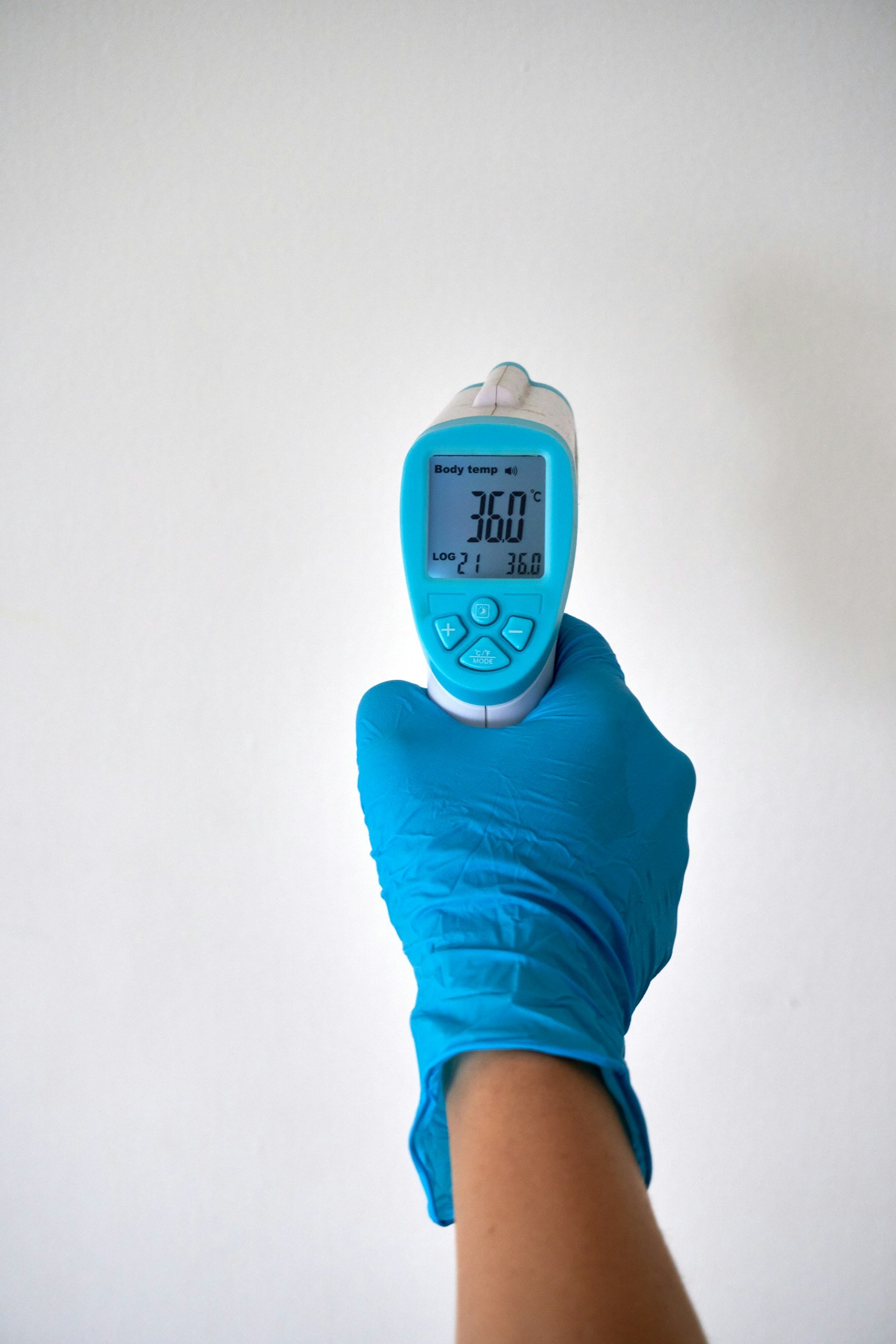
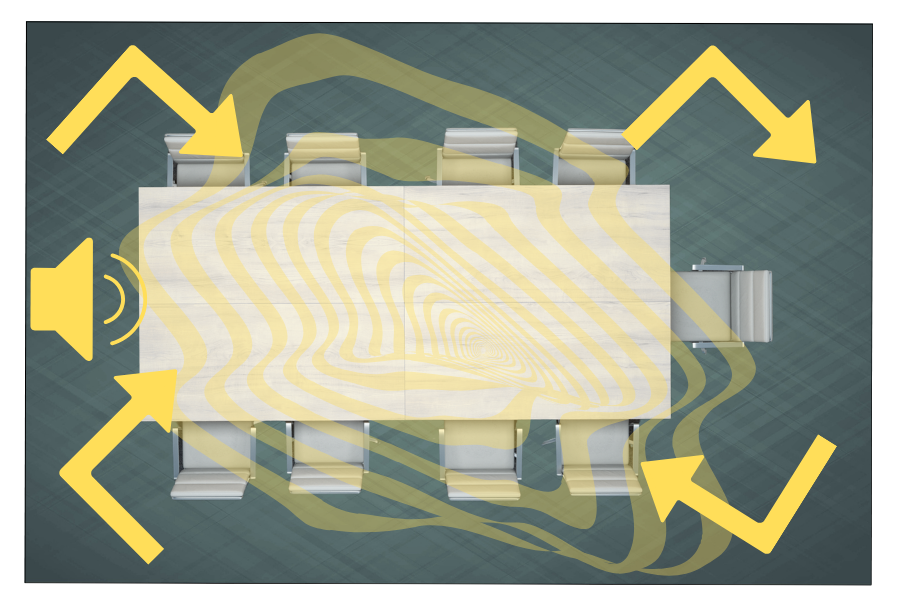
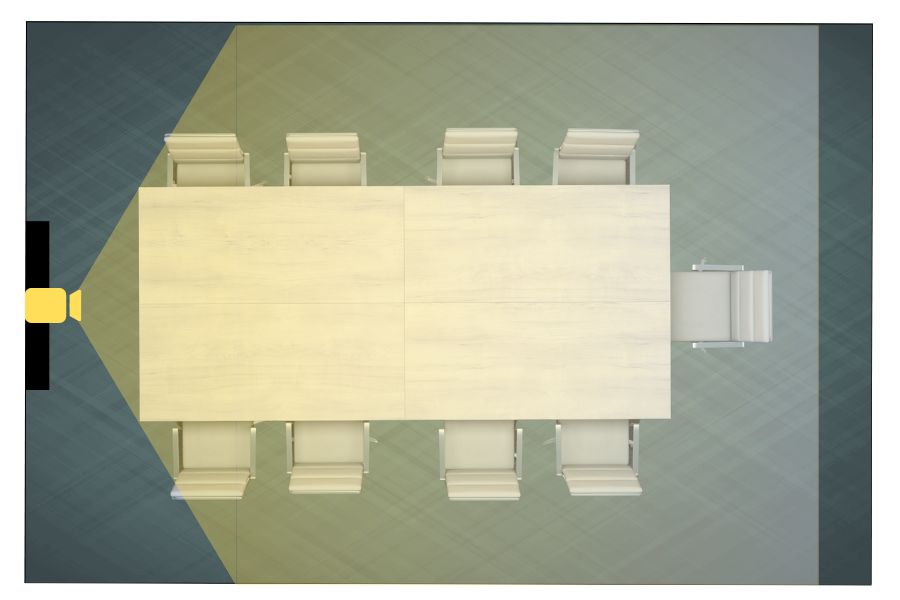
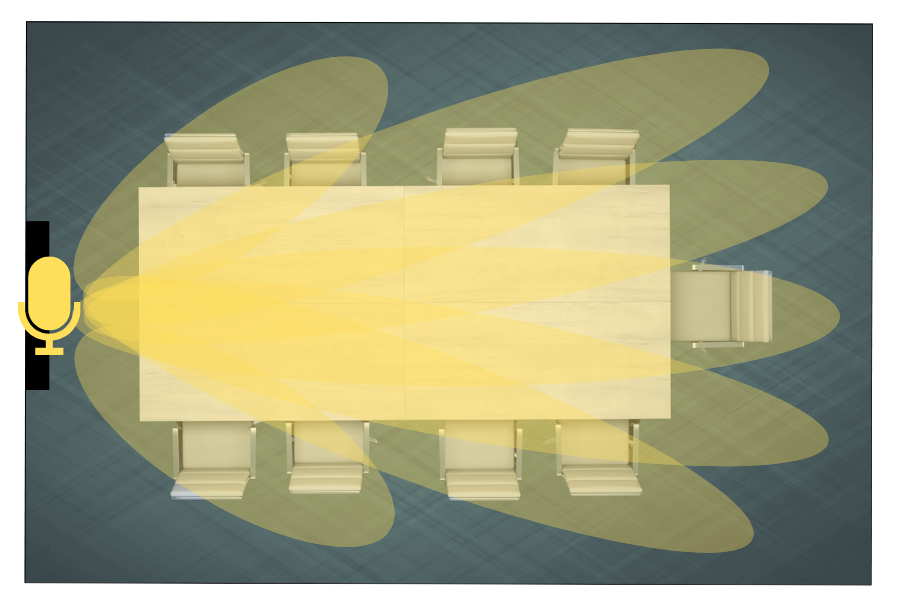
Our Meeting Room Health Assessment measures acoustics, visibility, representation and participant equity to reveal what's really happening in your room.
Common Symptoms
✓ The room works well in one configuration but poorly in another
✓ Audio levels change when partitions are opened or closed
✓ Users are confused by room controls
✓ Displays show the wrong content
✓ Cameras fail to represent participants correctly
✓ Technical support is frequently required when the room layout changes

Equity Challenges
Divisible rooms often suffer from what we call configuration inconsistency.
The meeting experience changes depending on how the room is configured. Participants may receive excellent representation in one layout and poor representation in another.
This affects:
In-room participants who experience inconsistent technology performance and meeting quality.
Remote participants who struggle to follow discussions when room layouts change.
AI tools that rely on predictable audio and video inputs to generate accurate summaries and follow-up actions.
Meeting equity means delivering the same high-quality experience regardless of whether the room is operating as one space or several.

Signs Of A Healthy Room
✓ The room performs consistently in every configuration
✓ Users can operate the room confidently
✓ Audio coverage remains effective when layouts change
✓ Remote participants receive consistent representation
✓ AI tools receive reliable audio and video feeds
✓ Room configuration changes happen quickly and predictably
Typical Anatomy Of A Healthy Medium Meeting Room
-
![]()
Room Size
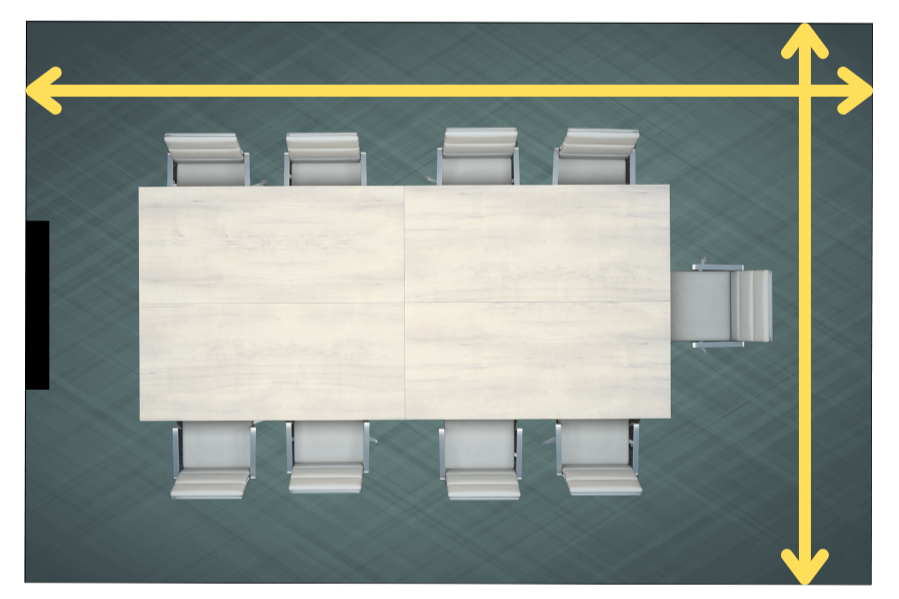
Typically 4.5m-6m long and 3m-4m wide.
-
![]()
Occupancy
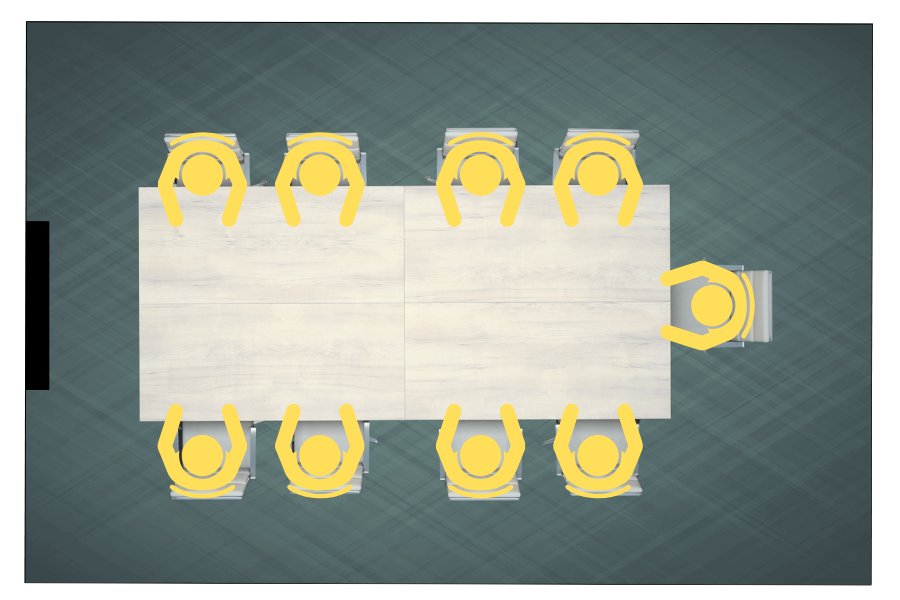
6-10 participants.
-
![]()
Display
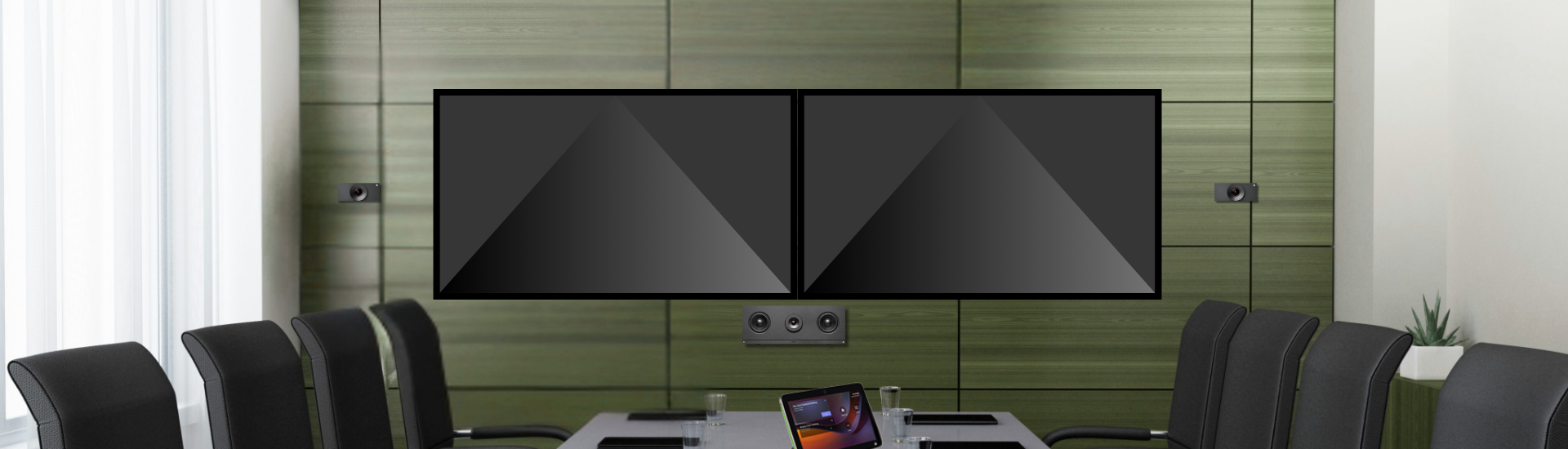
Usually one 75"-86" display, occasionally dual displays where presentations and participants need to be shown simultaneously.
-
![]()
Acoustics
Target RT60 approximately 0.6 seconds.
Background noise ideally below 45 dB.
-
![]()
Camera
Wide-angle camera or intelligent framing camera positioned to capture the entire table.
-
![]()
Audio
Beamforming microphones or integrated videobar microphones capable of capturing every participant equally.
-
![]()
Lighting
Approximately 500 lux across the meeting table with careful management of daylight and glare.
-
![]()
Connectivity
Sufficient USB-C content share, plus USB-C charging for 50% of users.
-
![]()
Conferencing
Support for ecosystems such as Microsoft Teams Rooms, Zoom Rooms and Google Meet Rooms. Also BYOD support is widely seen.
-
![]()
Smart Building
Workspace monitoring and efficiency tools regularly deployed. These include room booking systems with supporting panels, occupancy and environmental monitoring.
-
![]()
Artificial Intelligence
Hardware based AI to maximise meeting equity. Camera framing and tracking is commonplace.
AI productivity tools to transcribe meetings for efficient follow-up and analysis.
-
![]()
Maintenance & Support
Meeting rooms don’t fail on day one, they fail gradually over time. A support contract enables pro-active maintenance, timely problem solving and ownership.
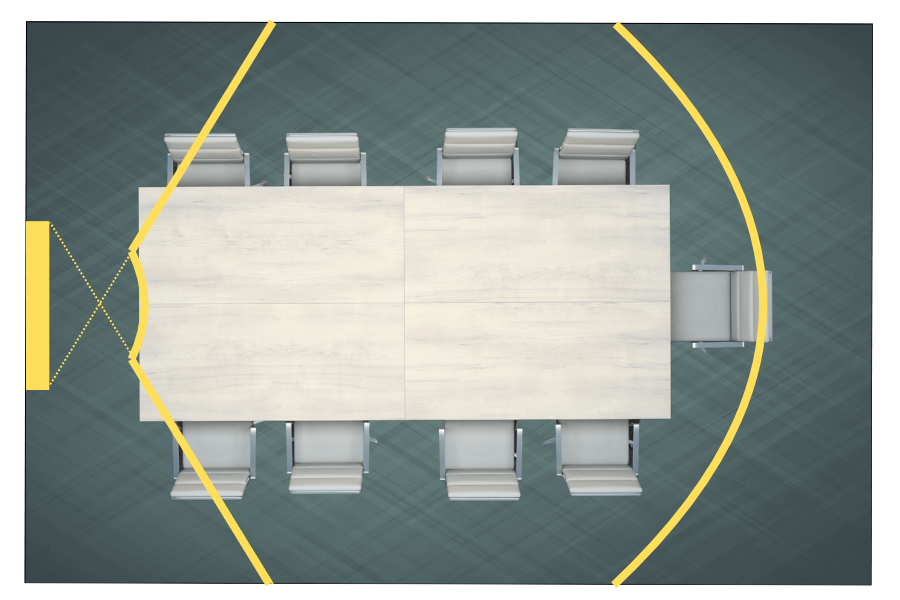

Typical Failures We Diagnose
Technology Designed Around One Layout
The room performs well when combined or divided, but not both.
Confusing User Controls
Users struggle to understand how the room should operate in different configurations.
Poor Audio Zoning
Microphones and loudspeakers fail to adapt when partitions are opened or closed.
Incorrect Display Behaviour
Content appears on the wrong display or does not follow the selected room configuration.
Poor Camera Coverage
Participant representation changes significantly between room layouts.
Partition Performance Overlooked
Acoustic separation is insufficient, allowing sound to transfer between spaces.
Could Your Divisible Meeting Room Be Healthier?
✓ The room works equally well in every configuration
✓ Users understand how to operate the room
✓ Audio coverage remains consistent when layouts change
✓ Remote participants receive equal representation
✓ AI meeting summaries remain accurate across all configurations
✓ Room reconfiguration is simple and predictable
Score yourself out of six.
4-6 Healthy 2-3 Needs Attention 0-1 Book Surgery
Not sure if your room is healthy?
Book MRD Surgery and we’ll assess the room properly — including display size, camera position, microphone coverage, acoustics and meeting equity.