
Meeting Room Knowledge Centre
Learn what healthy meeting rooms look like.
Practical guidance, real-world diagnostics and proven solutions to help you create meeting spaces where everyone can see, hear and participate equally.

People Can't Hear Clearly
Echo, background noise and poor microphone coverage make conversations difficult to follow. Remote participants miss comments, ask people to repeat themselves or simply disengage from the meeting. Healthy rooms bring acoustics under control and use microphones that are suited to the room size, layout and meeting style.

People Can't See The Content
Text is too small, presentations feel cramped and people struggle to read the screen from some seats. In hybrid meetings, participants can also lose visibility of either shared content or remote attendees. Healthy rooms use correctly sized displays, sensible viewing distances and layouts that provide clear sightlines for everyone.

Remote Participants Feel Left Out
People joining remotely struggle to see who is speaking or feel disconnected from the conversation happening in the room. Poor camera positioning can make meetings feel impersonal and reduce engagement. Healthy rooms use thoughtful camera placement and technologies that fairly represent everyone around the table.

Meetings Are Difficult to Start
Calls start late because cables are missing, workflows are confusing or users don't know what to press. Even good technology can become frustrating if the experience is inconsistent from room to room. Healthy rooms are designed to be simple, intuitive and reliable so meetings begin with confidence.
AI Notes And Transcripts Aren't Accurate
Meeting summaries and action points suffer when conversations aren't captured properly. Poor audio quality doesn't just affect the meeting itself—it affects every AI tool that relies on that information afterwards. Healthy rooms combine good acoustics with appropriate microphone coverage to capture conversations accurately.
We're Planning A New Meeting Room
Many meeting room problems are designed in long before the equipment arrives. Decisions about room dimensions, furniture, finishes and lighting can significantly influence the final experience. Healthy rooms consider acoustics, visibility and participant equity from the very beginning, helping to avoid expensive mistakes later.
Is My Meeting Room The Right Size?
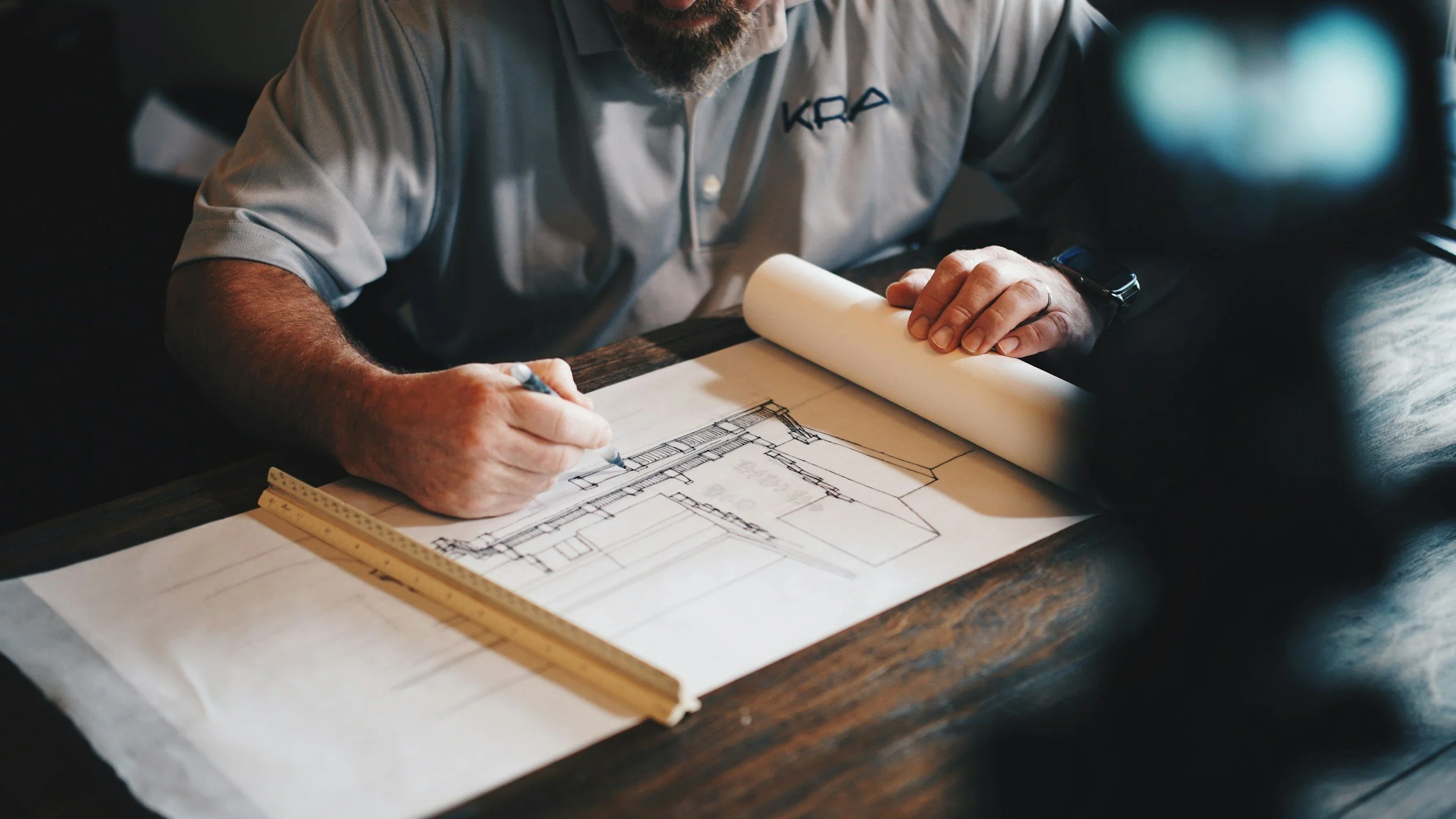
Too many seats, oversized tables and poor room proportions often create hybrid meeting challenges. Technology that works well in one room may perform poorly in another if the room dimensions are unsuitable. Healthy rooms balance occupancy, room size and technology choices to create a comfortable and effective meeting environment.
Does The Lighting Feel Uncomfortable?
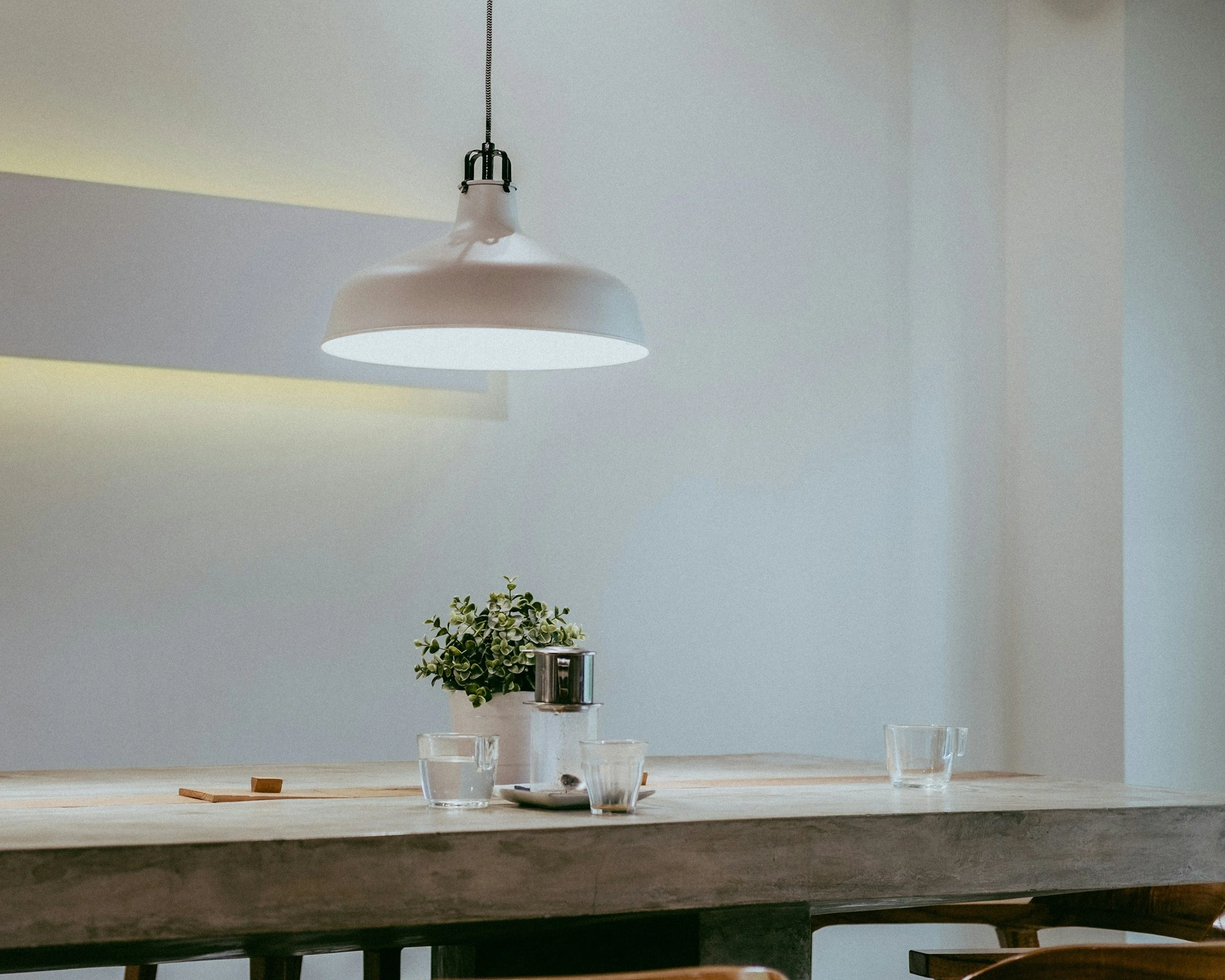
Dark rooms, glare and poor lighting can affect visibility, video quality and meeting fatigue. Participants may struggle to read content, while cameras often fail to represent people naturally. Healthy rooms provide even, comfortable lighting that works for both people in the room and those joining remotely.

Is The Meeting Fair For Everyone?
Some participants contribute more easily simply because they can hear, see or participate more effectively than others. This imbalance often goes unnoticed but can have a significant impact on collaboration and decision-making. Healthy rooms are designed around meeting equity and create inclusive experiences for every attendee.

How Healthy Is My Meeting Room?
Many problems remain hidden until they affect productivity, engagement and collaboration. A room can be expensive, certified and full of technology yet still deliver a poor meeting experience. A simple assessment can identify weaknesses, reveal opportunities for improvement and help you understand what good really looks like.
Not sure if your room is healthy?
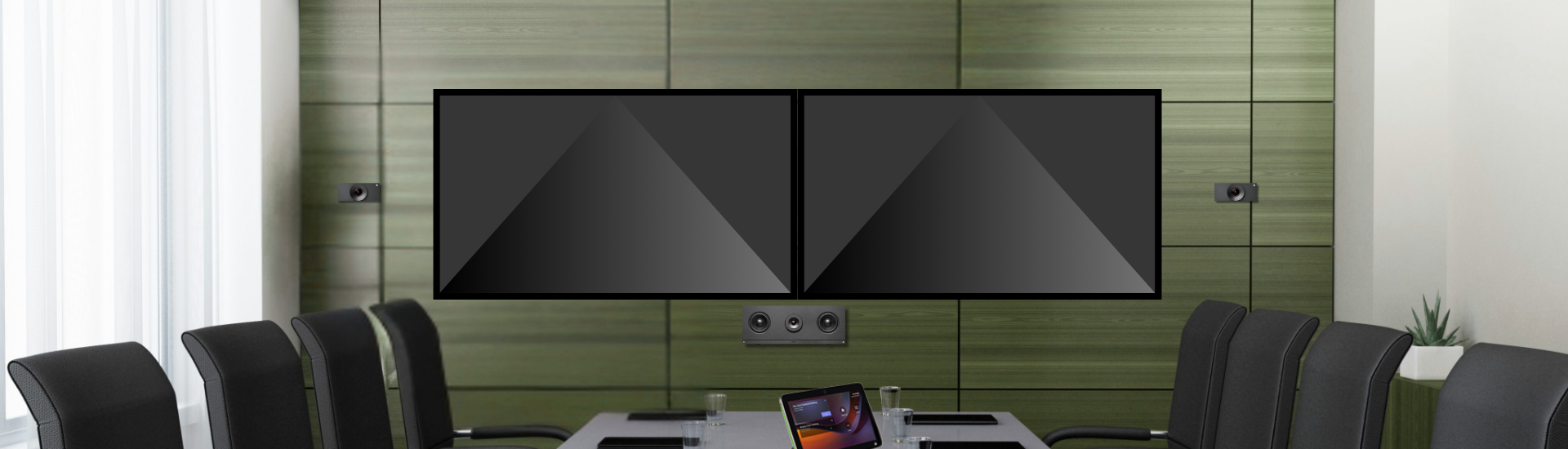
Book MRD Surgery and we’ll assess the room properly — including display size, camera position, microphone coverage, acoustics and meeting equity.