
Small Meeting Rooms (2-5 People)
Healthy Small Meeting Rooms
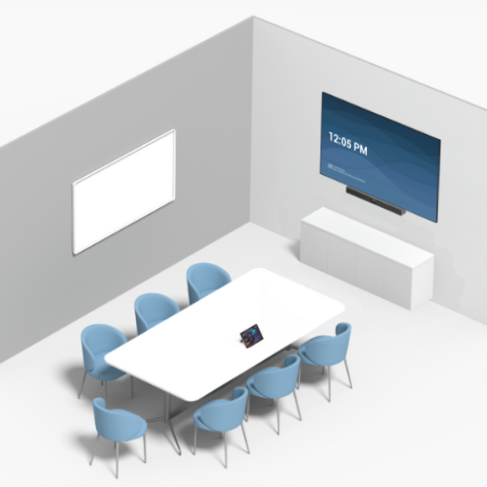
Designed for quick collaboration, one-to-one conversations and hybrid meetings where every participant can see, hear and contribute equally.
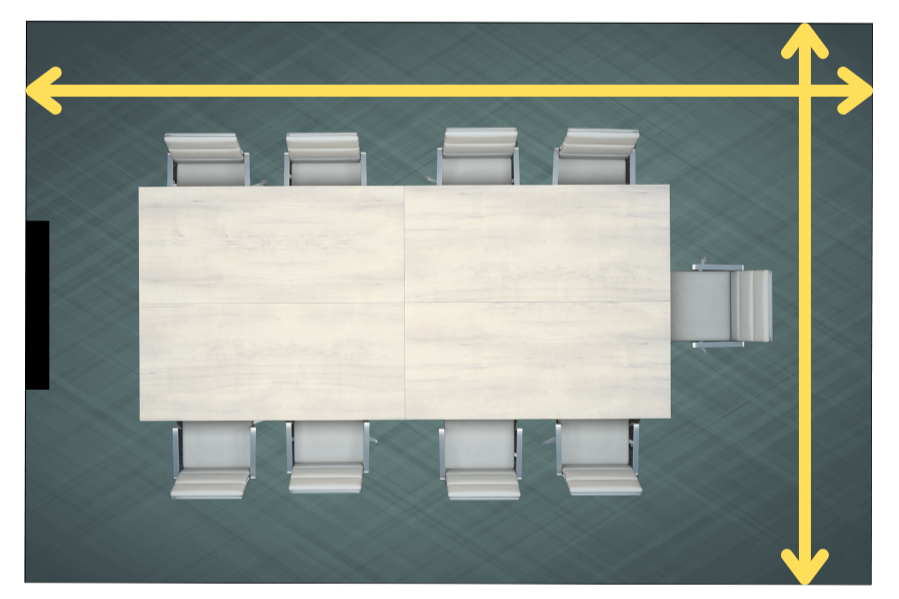
Typical Room Size: 2.5m – 4m long
Typical Occupancy: 2-5 people
Common Uses: Catch-ups, interviews, project meetings, video calls and small team collaboration.
Every Small Meeting Room Has A Story
Small meeting rooms are often the most heavily used spaces in an office. They host quick conversations, impromptu meetings and video calls throughout the day.
Because these rooms are compact, it's easy to assume technology will simply work. In reality, small rooms frequently suffer from poor camera positioning, inconsistent audio and complicated meeting experiences.
A healthy small meeting room creates an environment where meetings start quickly, conversations are captured accurately and everyone can participate naturally, whether they are in the room or joining remotely.
Most meeting room problems aren't obvious until they affect the meeting experience.
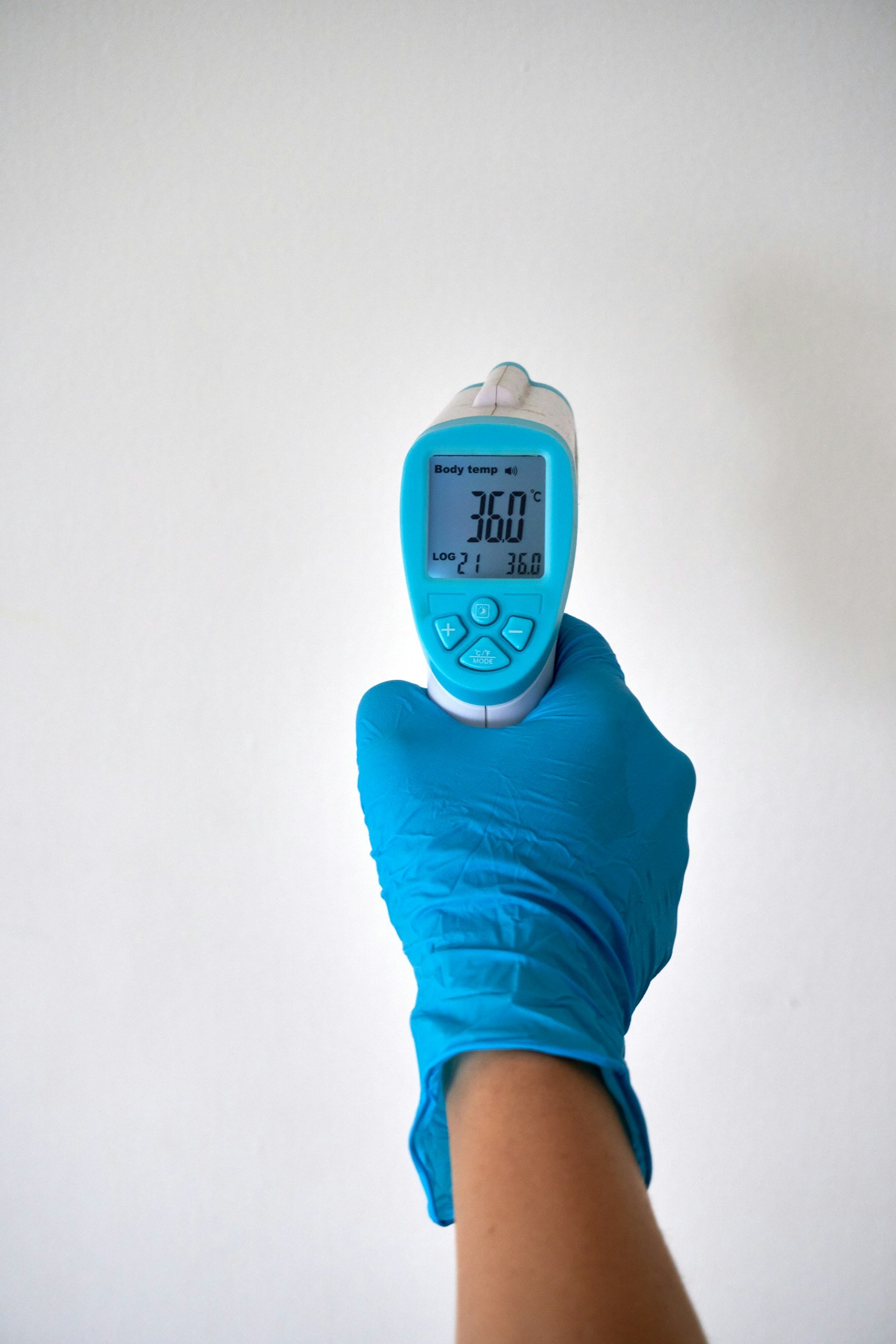
Our Meeting Room Health Assessment measures acoustics, visibility, representation and participant equity to reveal what's really happening in your room.
Common Symptoms
✓ Meetings take too long to start
✓ Participants struggle to share content or connect laptops
✓ Remote participants cannot see everyone in the room
✓ Voices sound distant or inconsistent
✓ Meeting spaces become crowded and uncomfortable
✓ Different rooms provide completely different experiences

Equity Challenges
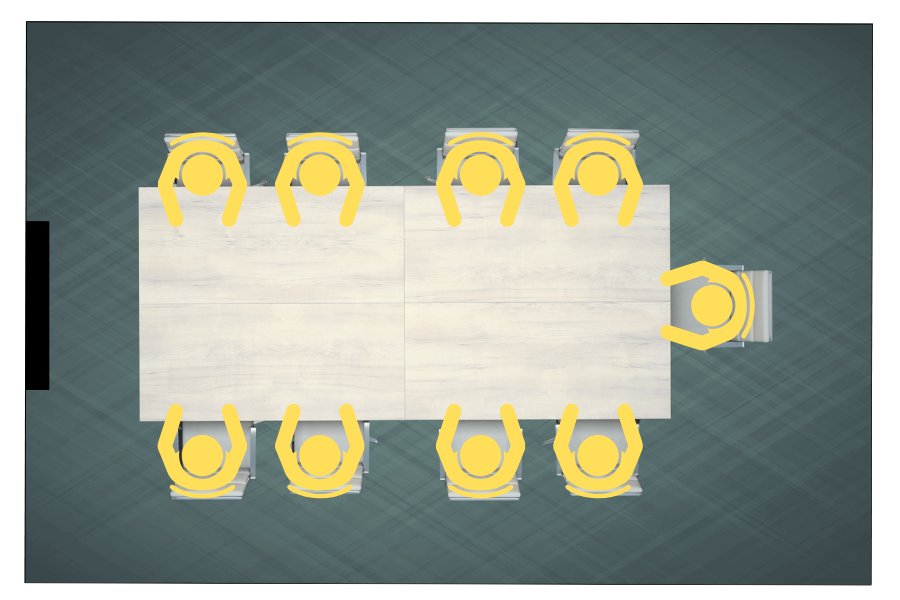
Small meeting rooms often suffer from what we call front-of-room bias.
People nearest the camera and microphones are represented clearly, while those sitting beside or behind them can become partially hidden or less audible.
This affects:
In-room participants who experience awkward seating positions and inconsistent meeting experiences.
Remote participants who struggle to identify speakers and read body language.
AI tools that rely on accurate audio and video to generate useful summaries and actions.
Meeting equity means ensuring every participant can contribute confidently and be represented accurately, regardless of where they sit.

Signs Of A Healthy Room
✓ Meetings start quickly and consistently
✓ Every participant can be seen clearly by remote attendees
✓ Conversations are captured accurately from every seat
✓ Shared content is simple to present
✓ AI tools receive clean audio and video feeds
✓ In-room and remote participants experience the meeting equally
Typical Anatomy Of A Healthy Small Meeting Room
-
![]()
Room Size
Typically 2.5m-4m long and 2.5m-3.5m wide.
-
![]()
Occupancy
2-5 participants.
-
![]()
Display
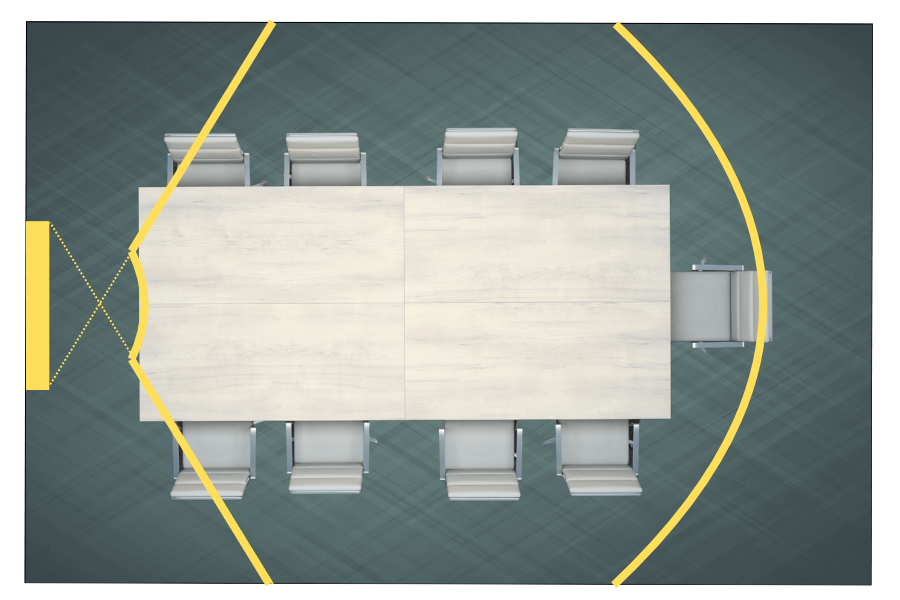
Typically one 55"-65" display positioned to be comfortably viewed from every seat.
-
![]()
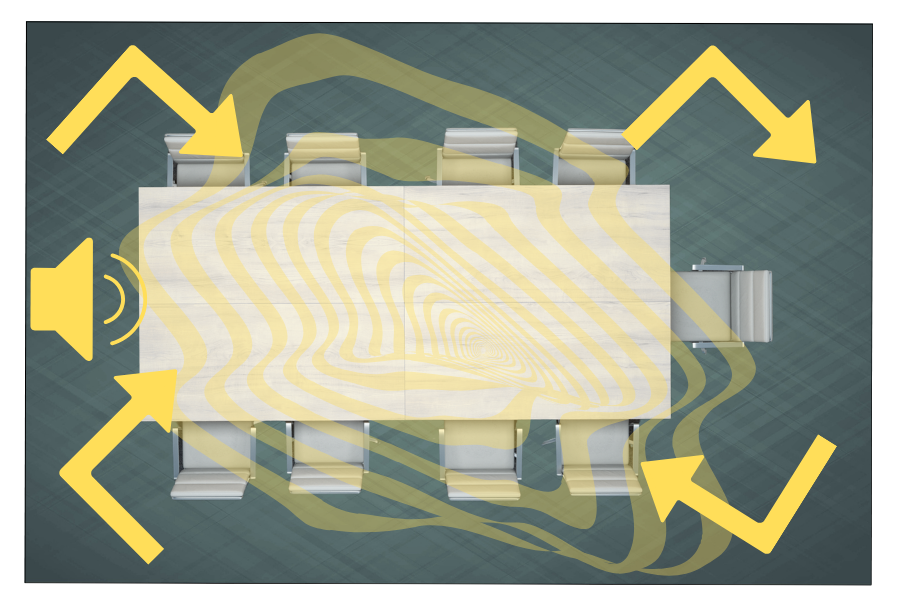
Acoustics
Target RT60 approximately 0.6 seconds.
Background noise ideally below 45 dB.
-
![]()
Camera
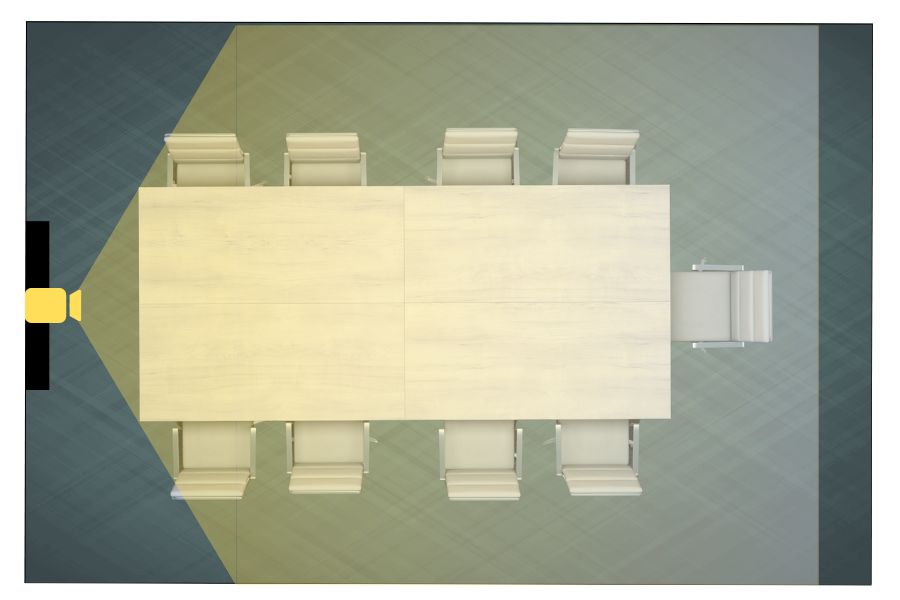
Wide-angle camera positioned to capture all participants without distortion or awkward seating arrangements.
-
![]()
Audio
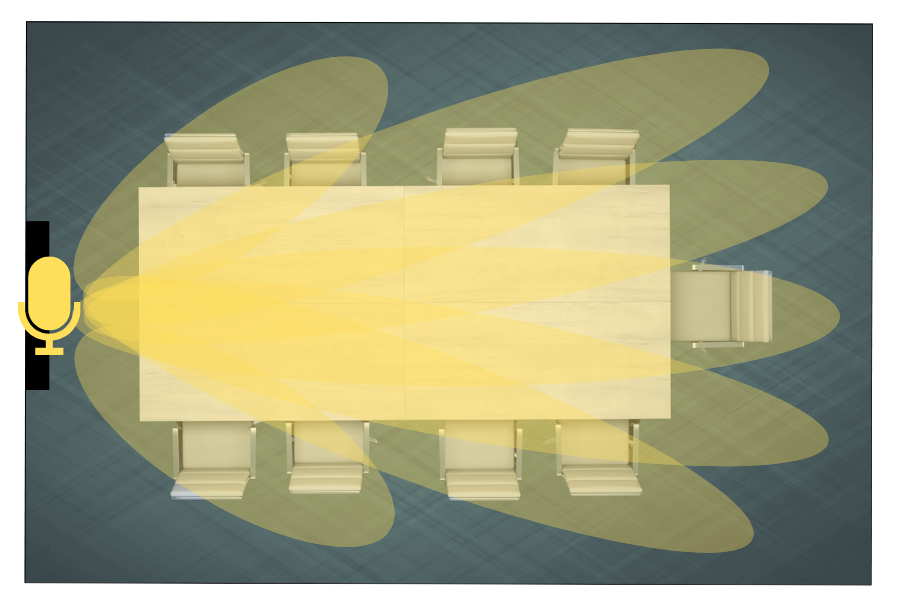
Integrated videobar microphones or beamforming microphones capable of accurately capturing all participants.
-
![]()
Lighting
Approximately 500 lux across the meeting table with careful management of daylight and reflections.
-
![]()
Connectivity
Simple USB-C connectivity for content sharing and laptop charging where appropriate.
-
![]()
Conferencing
Typically Microsoft Teams Rooms, Zoom Rooms, Google Meet Rooms or simple BYOD systems.
-
![]()
Smart Building
Room booking panels and occupancy sensors can improve space utilisation and reduce room conflicts.
-
![]()
Artificial Intelligence
AI productivity tools can accurately transcribe conversations, create meeting summaries and generate follow-up actions when high-quality audio and video are available.
-
![]()
Maintenance & Support
Meeting rooms don’t fail on day one, they fail gradually over time. A support contract enables pro-active maintenance, timely problem solving and ownership.


Typical Failures We Diagnose
Poor Camera Positioning
Some participants are partially hidden or appear distorted on camera.
Complicated Connectivity
Meetings start late because content sharing and laptop connections are confusing.
Undersized Displays
Shared content and remote participants are difficult to see comfortably.
Poor Audio Pickup
Voices sound distant or inconsistent, particularly when people sit away from the technology.
Acoustic Issues
Echo and background noise reduce speech intelligibility and AI accuracy.
Inconsistent Room Standards
Similar rooms provide different experiences, creating frustration and reducing user confidence.
Could Your Small Meeting Room Be Healthier?
✓ Everyone can see shared content clearly
✓ Everyone can be heard from every seat
✓ Remote participants can identify who is speaking
✓ AI meeting summaries capture conversations accurately
✓ Meetings start reliably and consistently
✓ Sharing content is simple and intuitive
Score yourself out of six.
4-6 Healthy 2-3 Needs Attention 0-1 Book Surgery
Not sure if your room is healthy?
Book MRD Surgery and we’ll assess the room properly — including display size, camera position, microphone coverage, acoustics and meeting equity.