
AV Support
Healthy AV-Supported Meeting Rooms
A meeting room does not stop needing attention once the installation is complete.
Healthy AV-supported meeting rooms are reliable, understood and easy to recover when something goes wrong.
Users know how to get help, support teams know who owns the issue, and the meeting experience is protected long after installation.
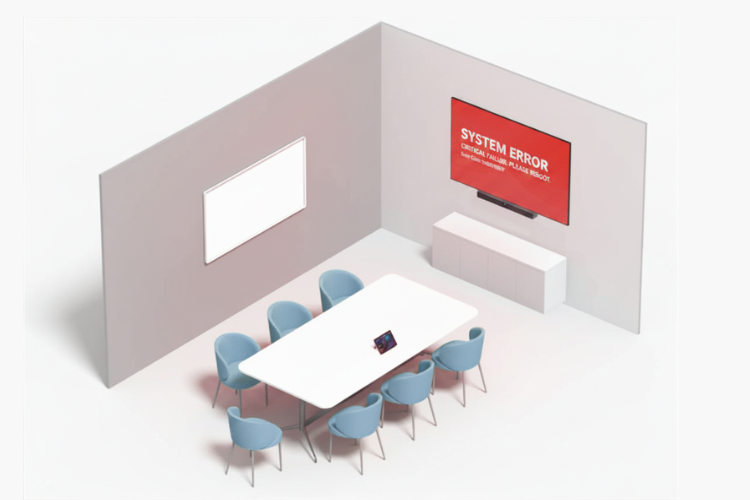
Every Medium Meeting Room Has A Story
Every unreliable room has a history.
It may be a recurring fault that was never properly investigated, a support route users stopped trusting, or a service contract that covered the equipment but not the experience.
Small issues build over time until users begin avoiding the room, working around problems or accepting poor performance as normal.
A simple assessment can reveal whether your meeting rooms are being properly supported — or whether users are quietly working around the symptoms.
Most meeting room problems aren't obvious until they affect the meeting experience.
Our Meeting Room Health Assessment measures acoustics, visibility, representation and participant equity to reveal what's really happening in your room.
Common Symptoms
✓ People at the far end of the table struggle to be heard
✓ Presentations are difficult to read from some seats
✓ Remote participants cannot see everyone clearly
✓ Meeting notes and AI summaries miss parts of conversations
✓ Participants repeat themselves or move seats to improve the experience
✓ Meetings work differently every time

Equity Challenges
Medium rooms often suffer from what we call end-of-table bias.
People nearest the technology are represented clearly. Those furthest away become less visible, less audible and less likely to contribute. This affects:
In-room participants who cannot easily view content or interact naturally.
Remote participants who miss comments, struggle to identify speakers or feel detached from the meeting.
AI tools that depend on accurate audio and video to create useful summaries and follow-up actions.
Meeting equity means ensuring every participant can contribute equally and be represented accurately.

Signs Of A Healthy Room
✓ Every participant can be seen clearly by remote attendees
✓ Conversations are captured accurately from every seat
✓ Content is visible to everyone in the room
✓ Meetings start quickly and consistently
✓ AI tools receive clean audio and video feeds
✓ In-room and remote participants experience the meeting equally
Typical Anatomy Of A Support Structure

Typical Failures We Diagnose
Unclear Support Ownership
Users, IT, Facilities and suppliers are not always aligned on who owns the issue, who should respond, and how problems should be escalated.
Weak Service Structure
Support contracts are often written around equipment cover rather than room availability, user confidence and real meeting outcomes.
Recurring Faults
The same issues keep returning because tickets are closed once the room works again, but the root cause is not properly reviewed.
Poor User Experience
Rooms may have no simple way to report problems, leaving users to work around faults, abandon the space or lose confidence in hybrid meetings.
Could Your AV Support Be Healthier?
✓ Users know exactly how to get help when a room fails
✓ Faults can be reported quickly from inside the room
✓ IT, Facilities and suppliers understand who owns each issue
✓ Recurring faults are reviewed rather than repeatedly closed
✓ Users trust the support process enough to report problems
✓ Room reliability, downtime and user experience are actively reviewed
Score yourself out of six.
4-6 Healthy 2-3 Needs Attention 0-1 Book Surgery
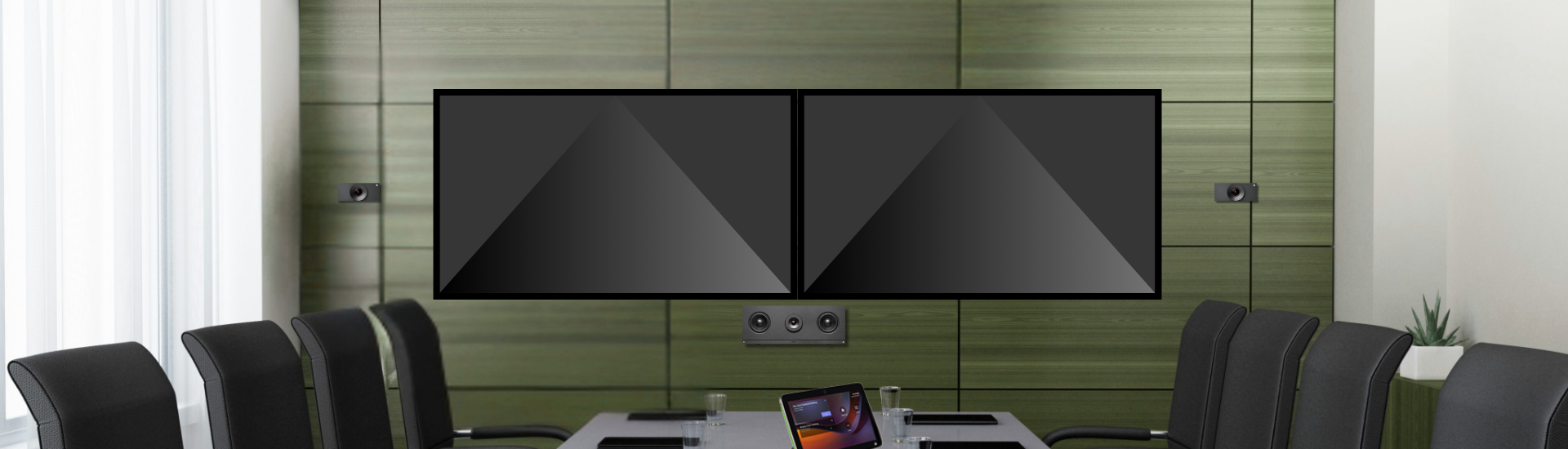
Not sure if your room is healthy?
Book MRD Surgery and we’ll assess the room properly — including display size, camera position, microphone coverage, acoustics and meeting equity.