Acoustics in Meeting Rooms
Modern office buildings often feature hard surfaces such as glass, concrete, and metal. While visually appealing, these materials reflect sound and create reverberant environments where speech becomes less clear. In meeting rooms, this can quickly undermine the experience — microphones struggle to capture clean audio, remote participants find conversations harder to follow, and speakers can sound distant or muddled.
Poor acoustics don’t just affect audio quality; they impact meeting productivity, participant equity, and the effectiveness of AI-powered meeting tools. When speech is unclear, transcription accuracy drops, automated summaries become unreliable, and remote participants can feel disconnected from the conversation.
Fortunately, acoustic performance can be assessed and improved in a structured way.
Assessing the room
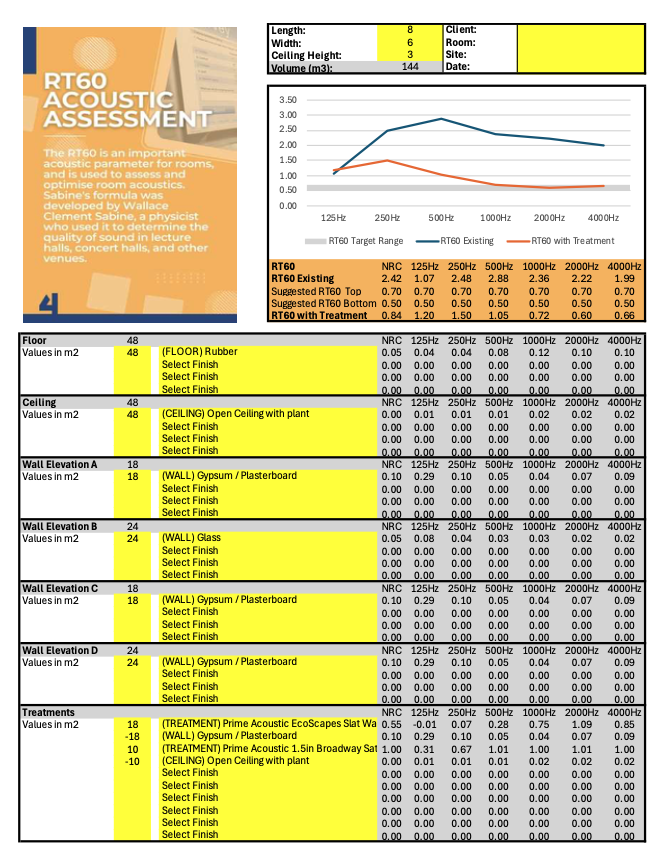
The key benchmark for room acoustics is RT60, which measures how long it takes sound to decay by 60 dB after the source stops. In meeting environments, the target RT60 is typically around 0.6 seconds, ensuring speech remains clear and intelligible.
RT60 can be measured in two ways:
Live testing, using specialist microphones and test signals to measure how sound behaves in the space. Ideal for already built spaces.
Predictive calculation, using room dimensions and the acoustic properties of wall, ceiling, and floor materials. Great when building or planning.
This assessment establishes a clear benchmark for the room’s acoustic performance.
Improving the environment
Where reverberation is too high, acoustic treatments can be introduced to absorb excess reflections and create a more controlled environment.
Typical mitigations include:
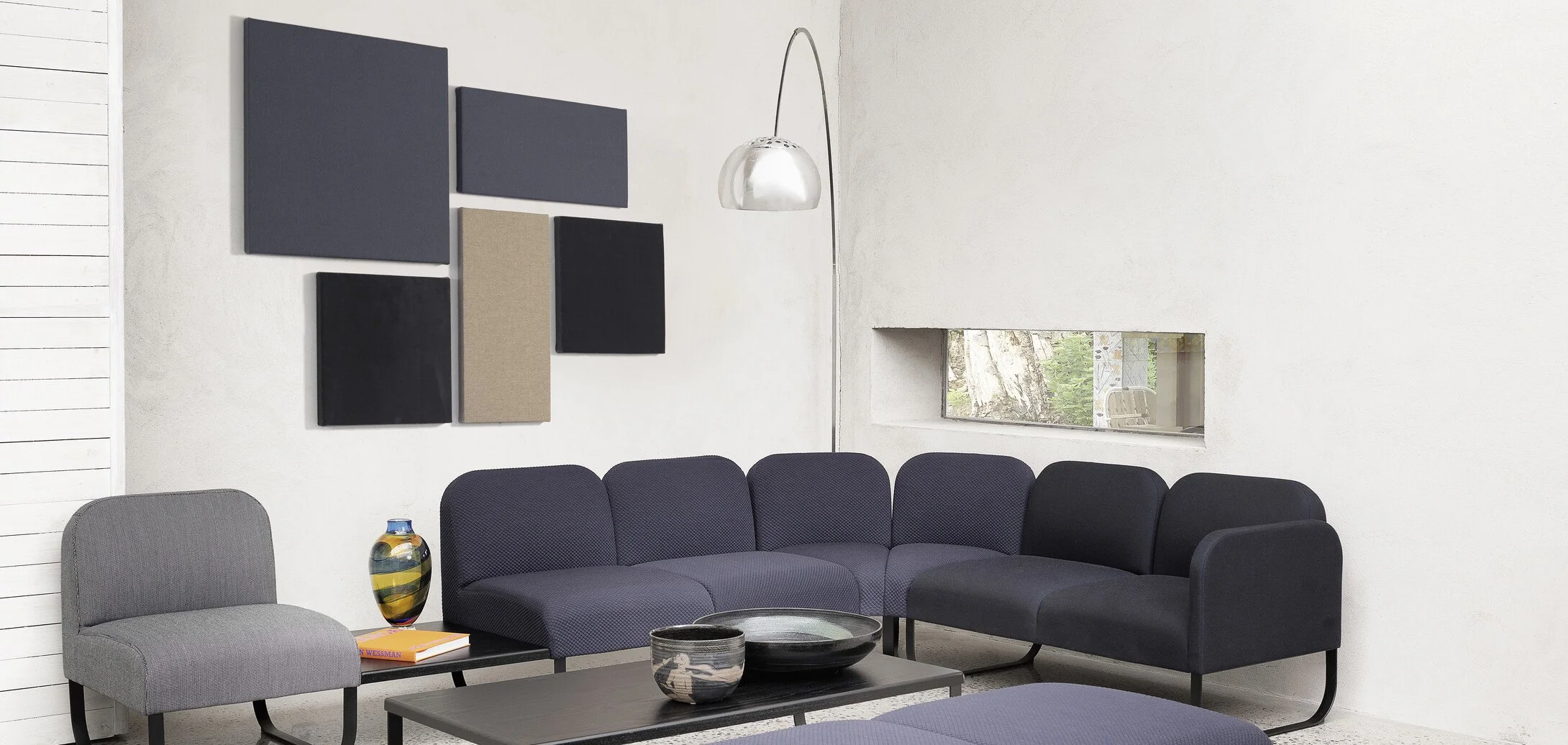
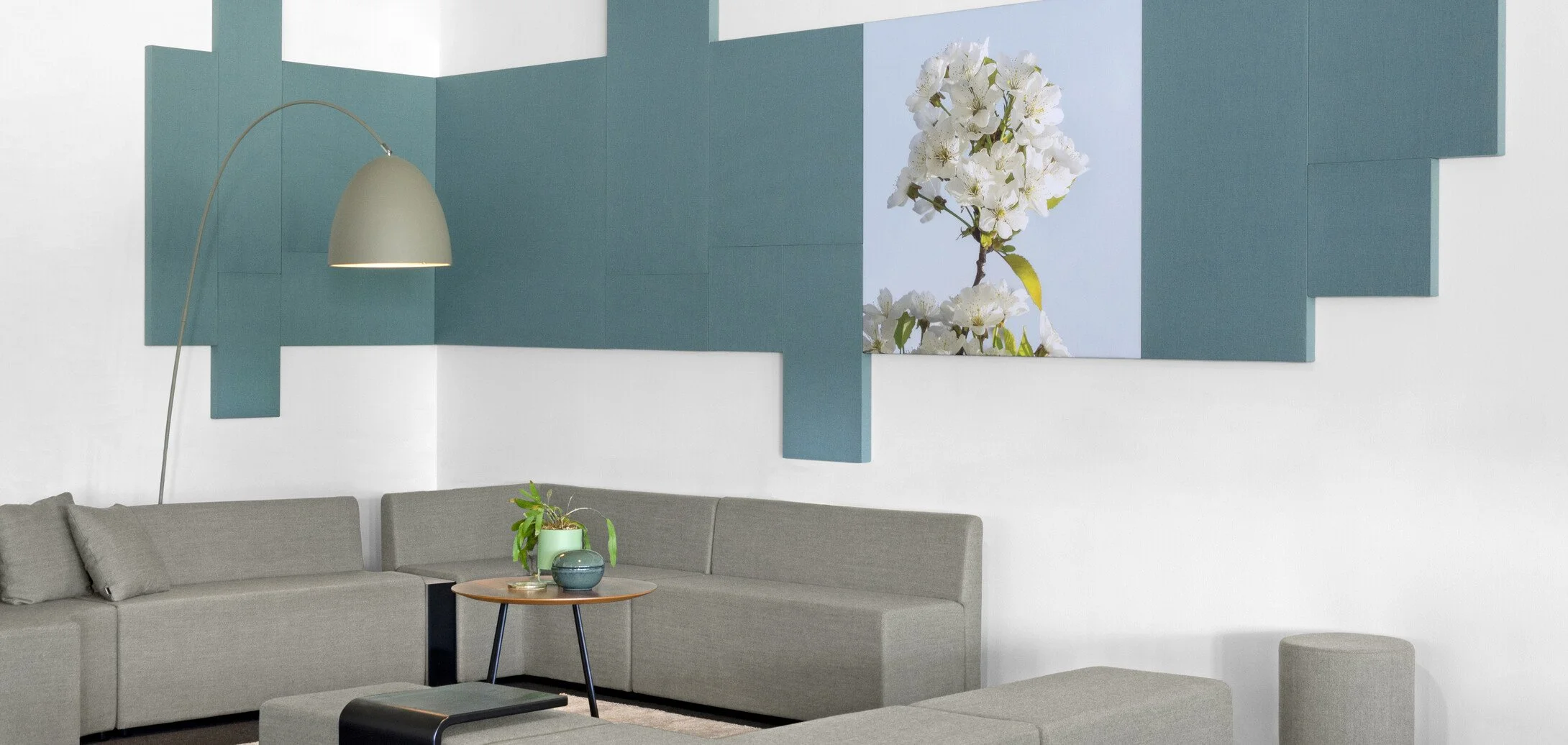
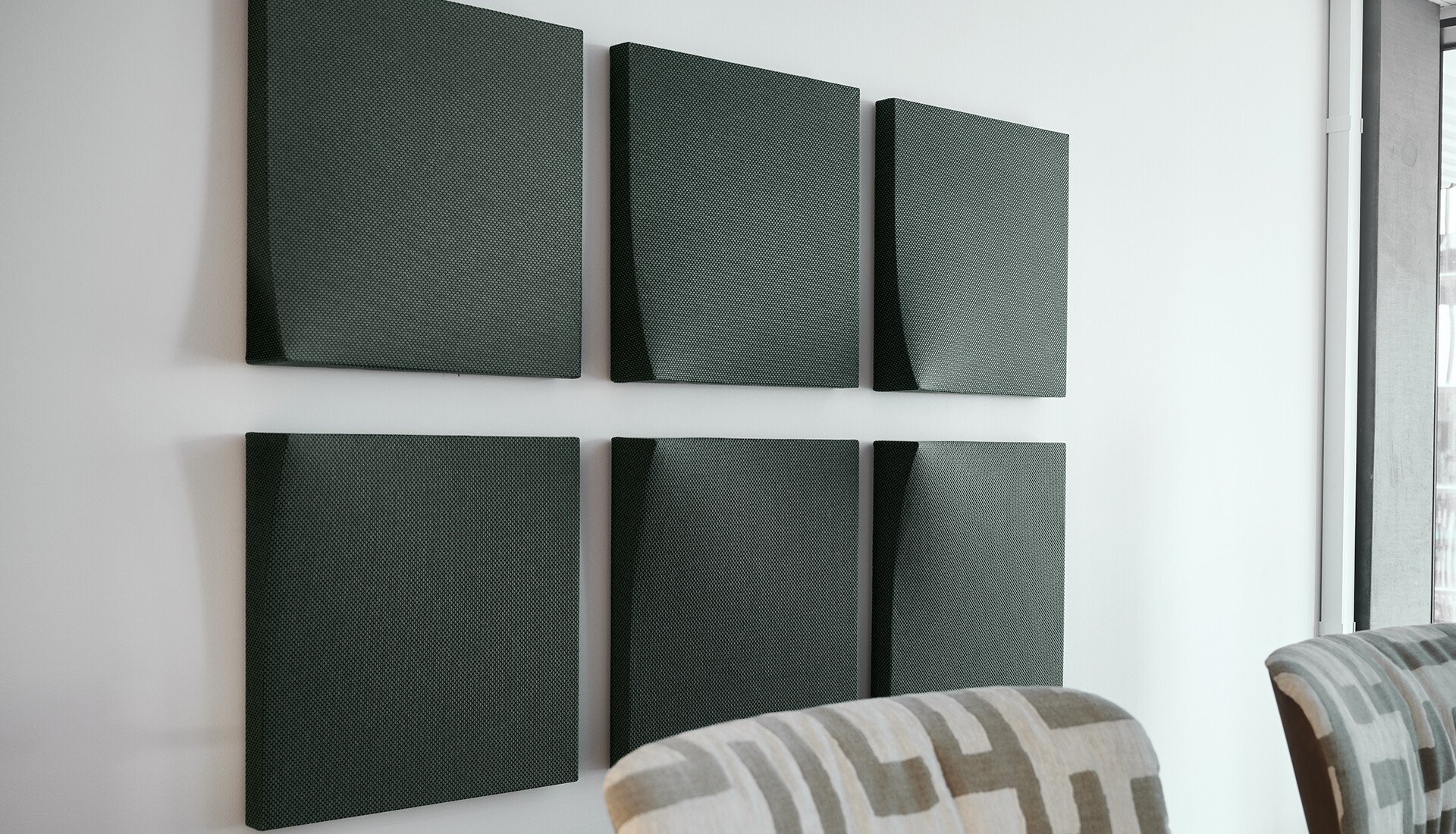
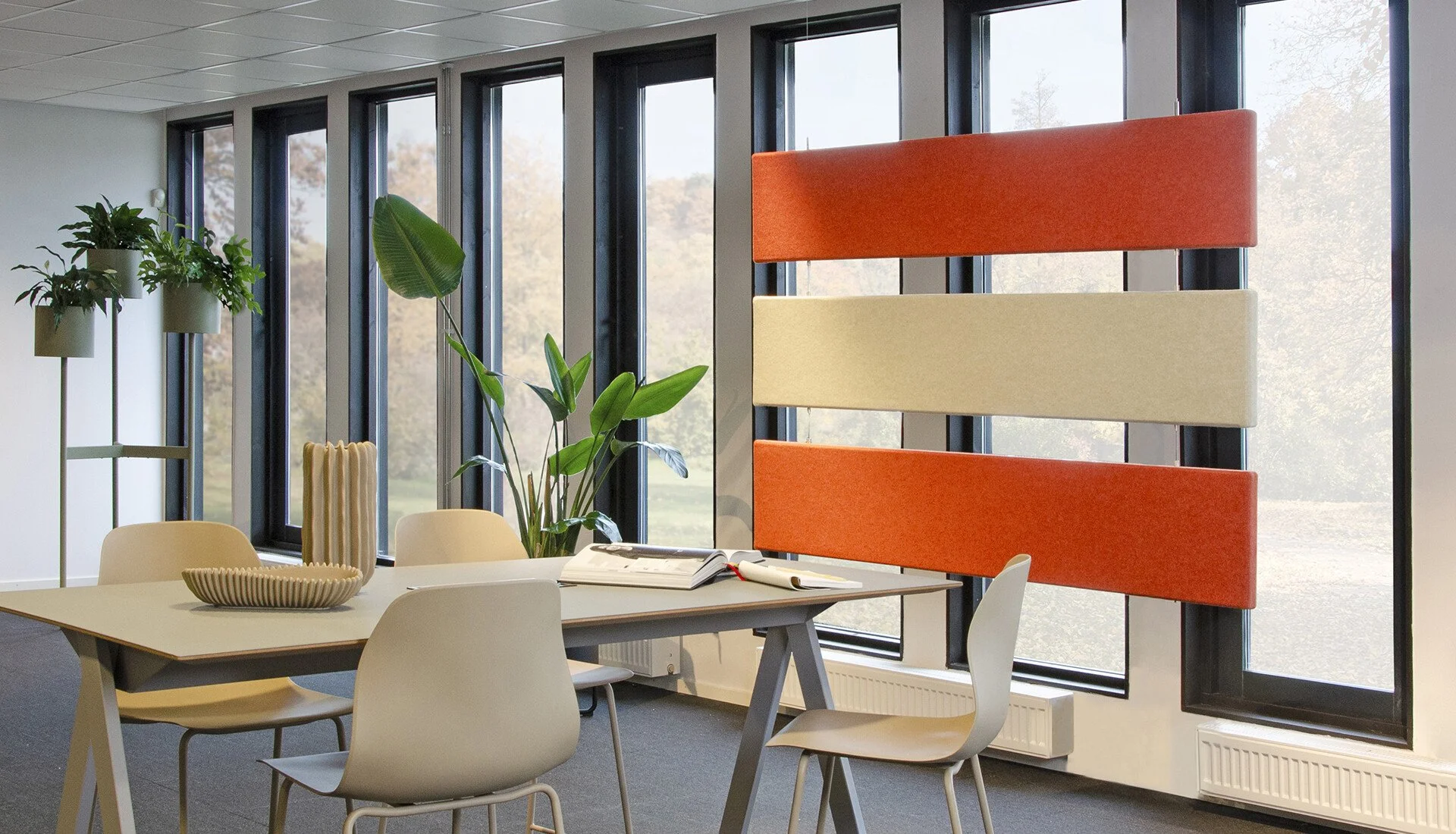
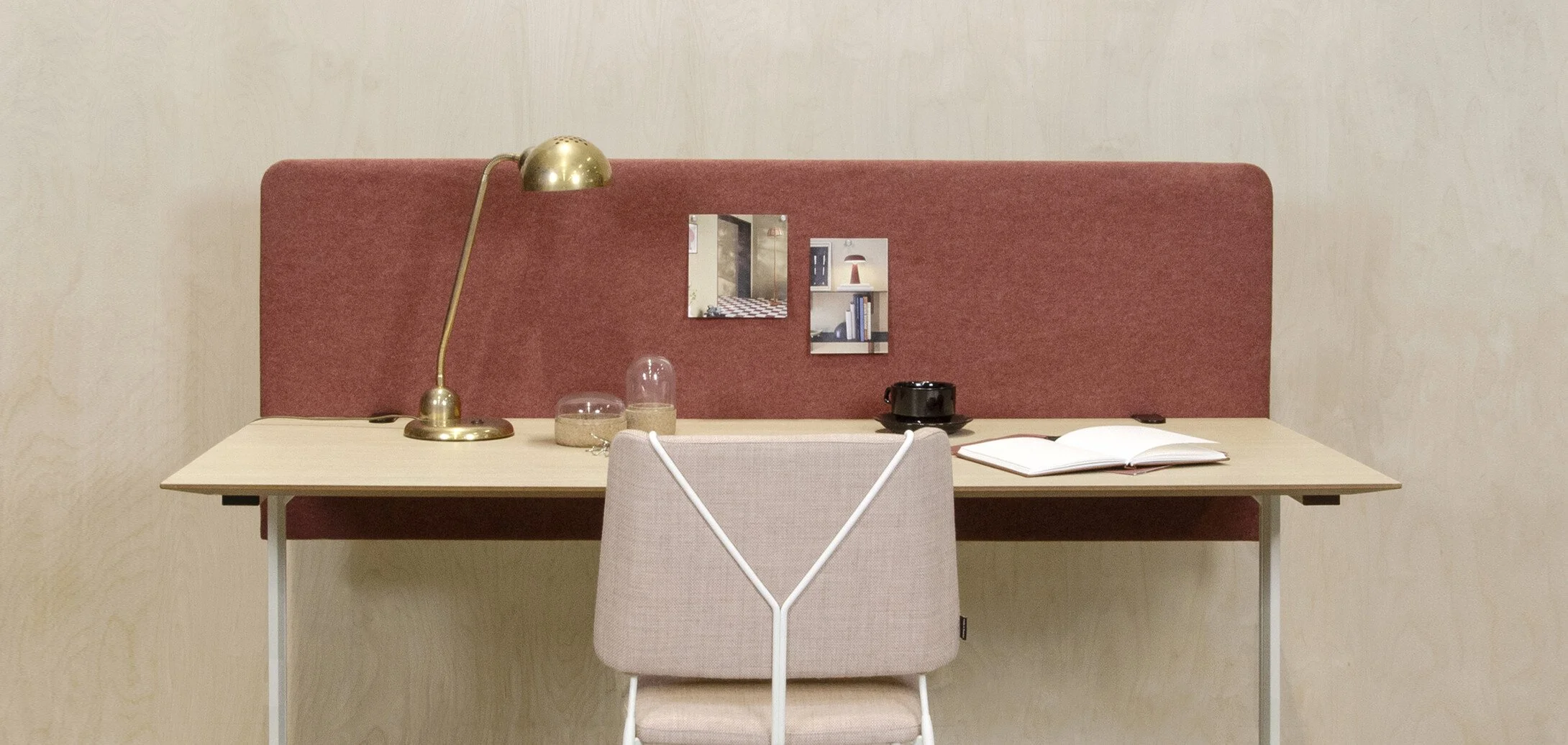
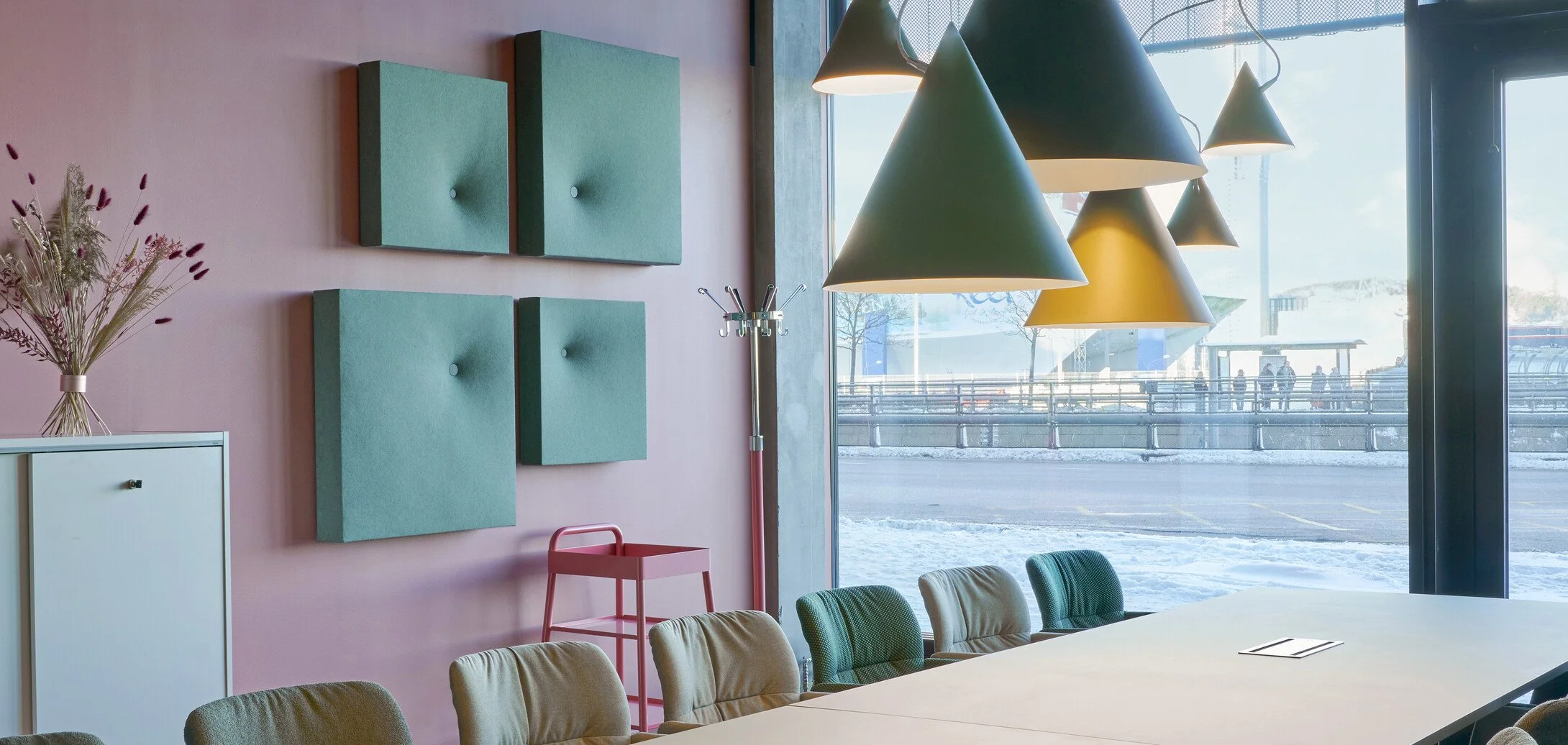
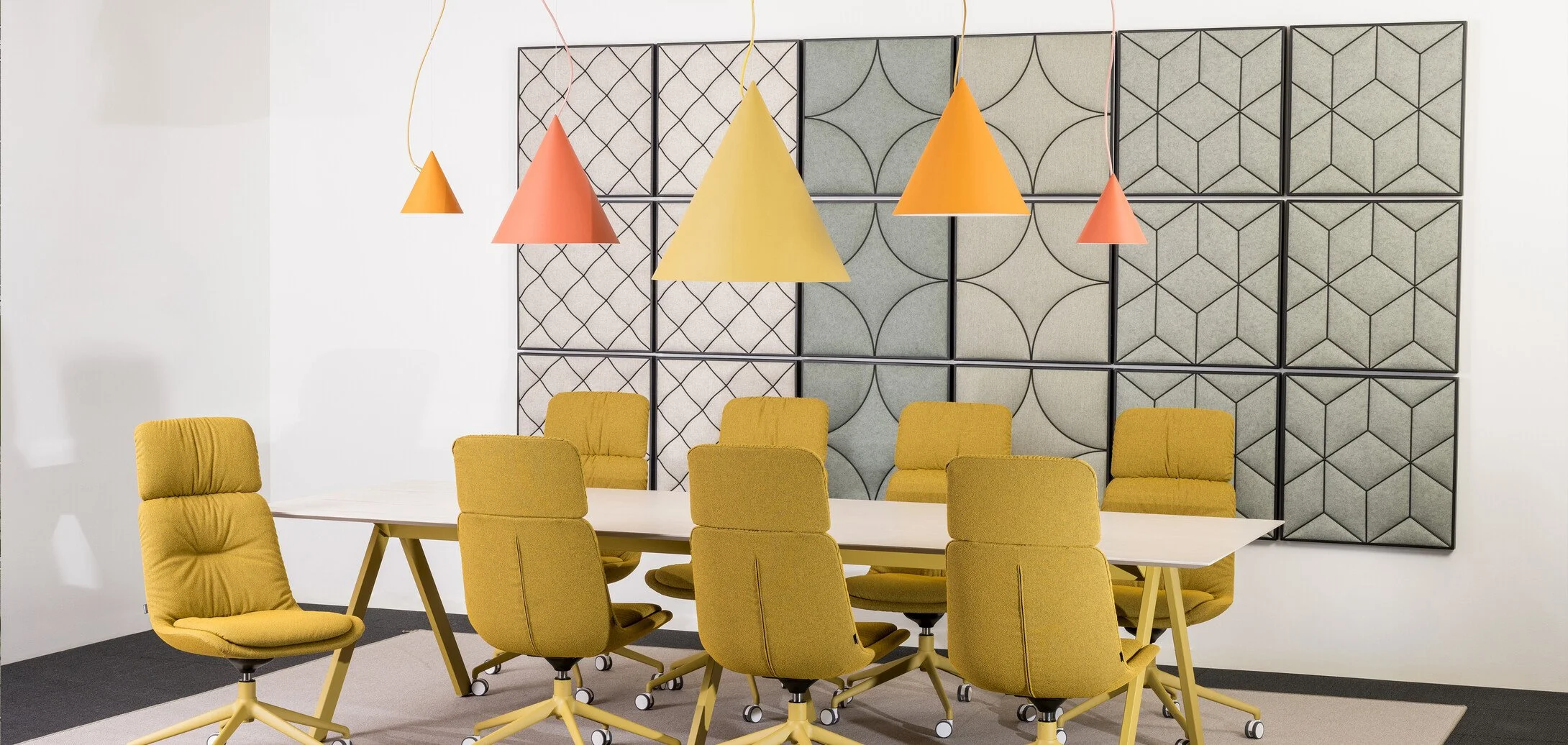
Sound-absorbing wall panels or ceiling treatments
Acoustic wall coverings, artwork, or soft finishes
Targeted placement of materials to reduce reflections near microphones and seating areas
By modelling these changes against the RT60 benchmark, the correct amount of treatment can be specified without over- or under-treating the room.
When properly addressed, acoustics allow conferencing technology, AI tools, and participants to perform at their best — creating meetings where everyone can hear clearly, contribute confidently, and capture accurate outcomes.