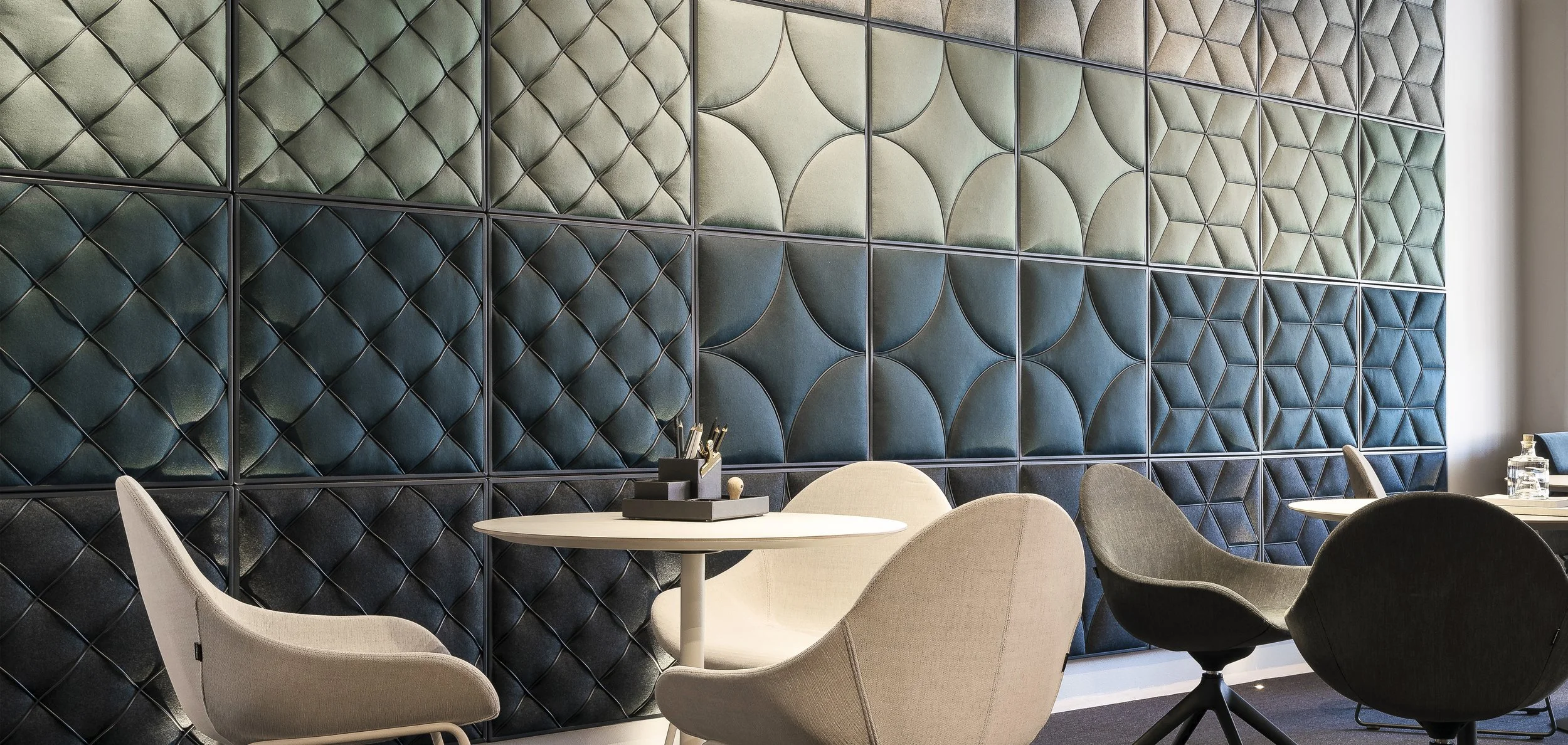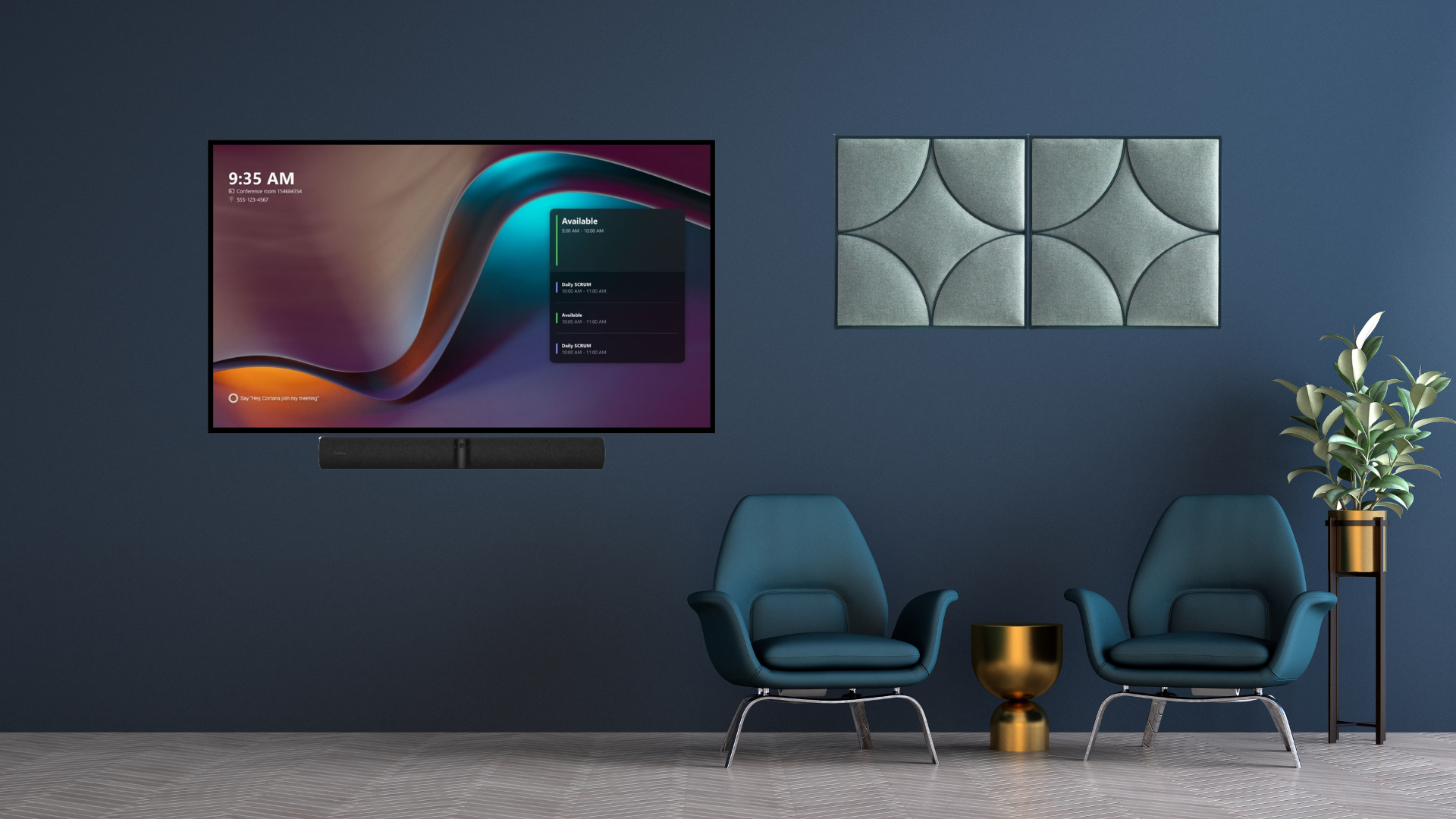
What’s really wrong with your meeting rooms?
Most meeting room problems aren’t caused by people or platforms.
They’re caused by rooms that were never properly diagnosed
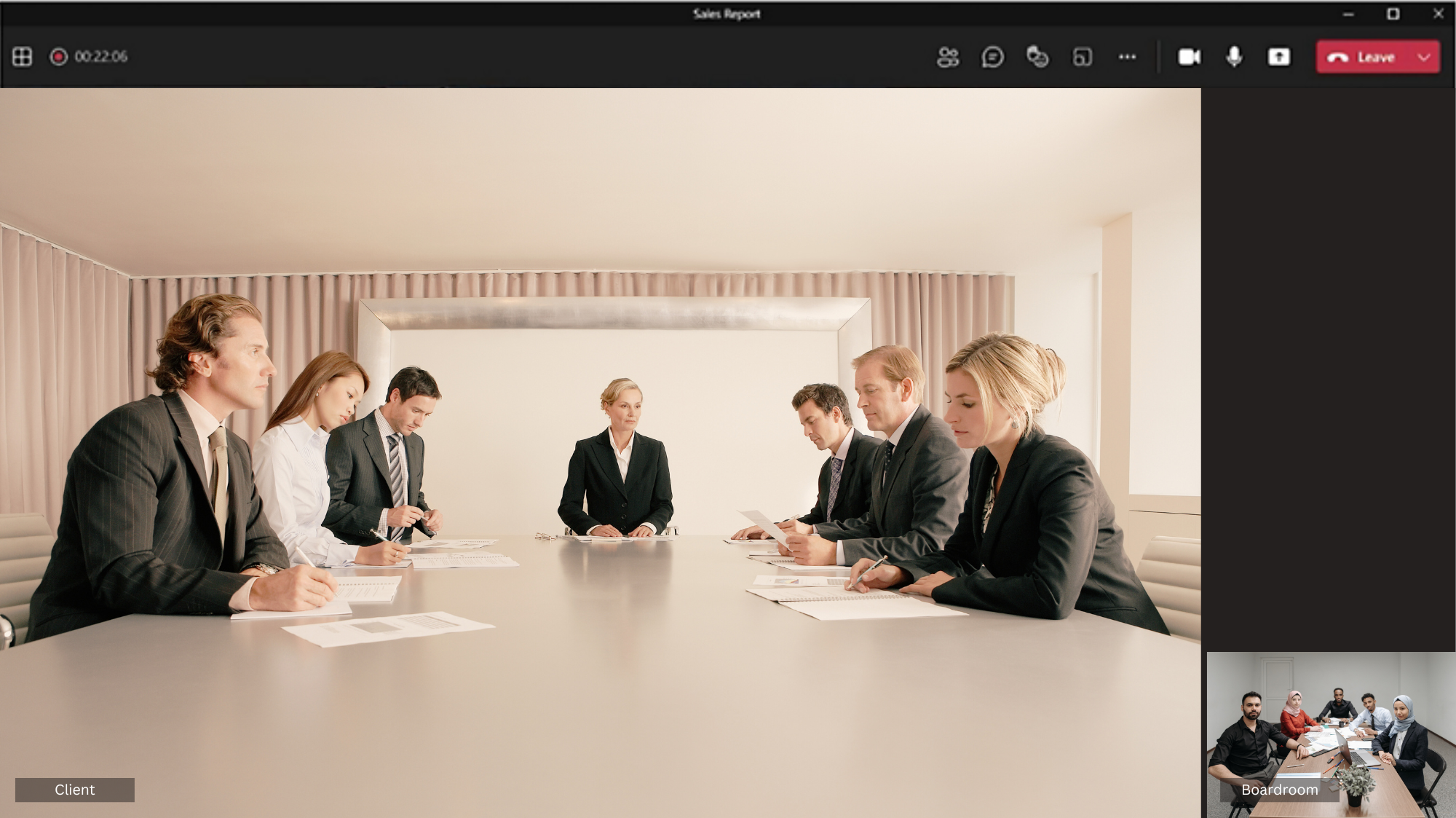
Sound familiar?
Meetings sound tiring or unclear
Remote participants struggle to hear or feel involved
Cameras look awkward, even in expensive rooms
AI transcripts miss actions or get decisions wrong
New rooms don’t perform how you expected
If any of these sound familiar, you’re not alone — and it’s fixable.
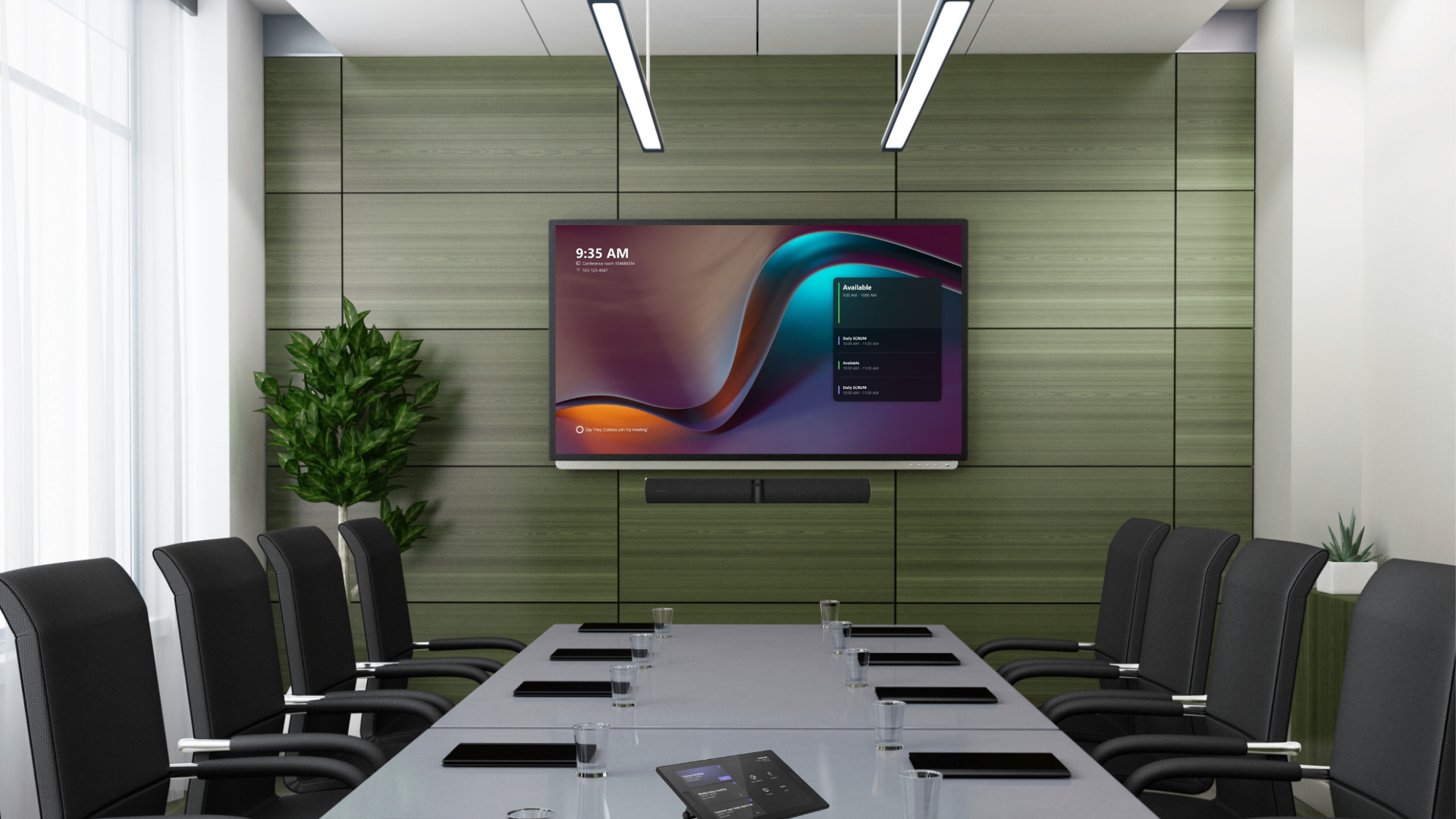
We don’t guess. We diagnose.
A Meeting Room Diagnosis looks at the fundamentals that make or break meetings:
Acoustics
Reverberance (RT60), background noise, room construction
Audio
Microphone type, placement, coverage, and intelligibility
Video
Camera placement, field of view, AI framing, eye line
Displays
Size, layout, visibility, and room suitability
Room design
Layout, materials, and how people actually use the space
Meeting Room Doctor surgery
No obligation. No hard sell. Just clarity
What you’ll receive
Bullet points that feel practical:
A clear summary of what’s working — and what isn’t
Measured findings (not opinions)
Before / after improvement opportunities
Practical, vendor-agnostic recommendations
Clear next steps you can act on — with or without us
You’re free to use this with your own teams, installers, or partners.
Who this is designed for
Organisations upgrading or refurbishing meeting rooms
Companies frustrated with hybrid meeting performance
Teams investing in AI productivity and transcription
Decision-makers who want rooms to work, not just look good
If you’re just looking to buy hardware quickly, this probably isn’t for you.

Why listen to me?
I’ve spent over 15 years designing, fixing, and auditing meeting rooms — from small huddle spaces to large boardrooms and town halls.
This work sits at the intersection of:
AV best practice
Room design
Software ecosystems
And now, AI-driven meetings
Every recommendation is rooted in equity, usability, and performance.